What Does “Mounjaro Face” Actually Mean?
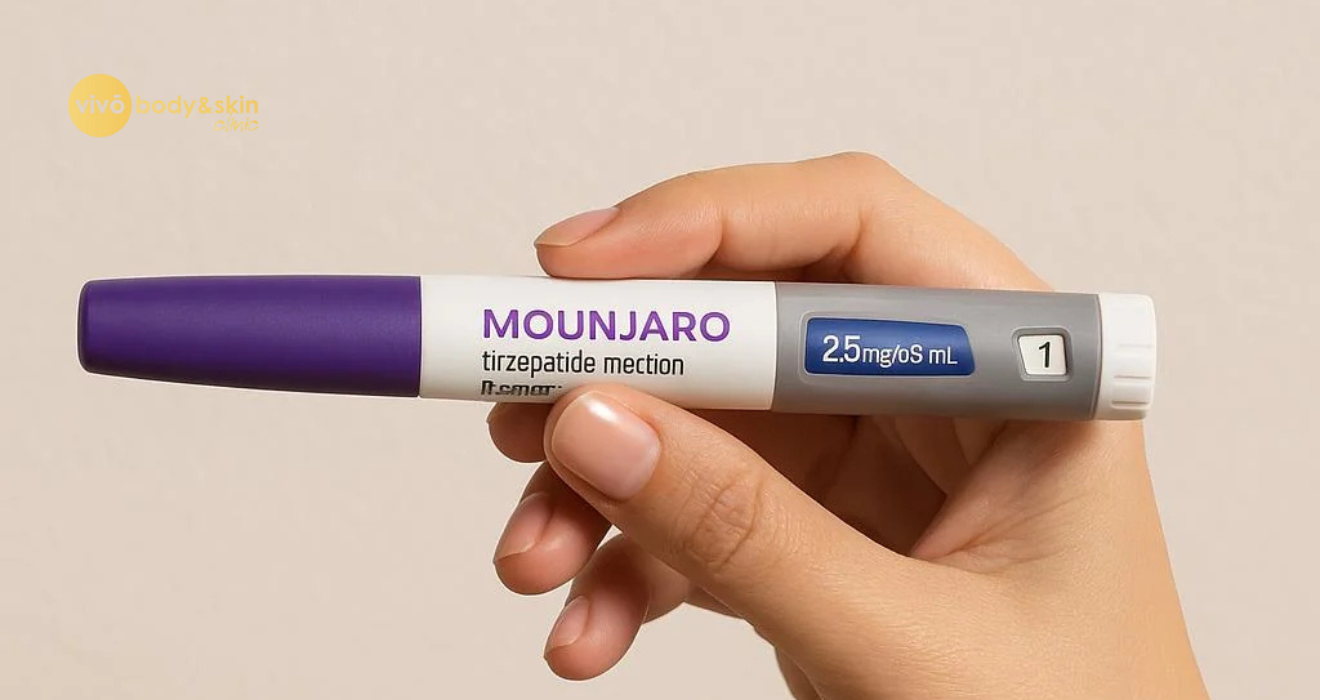
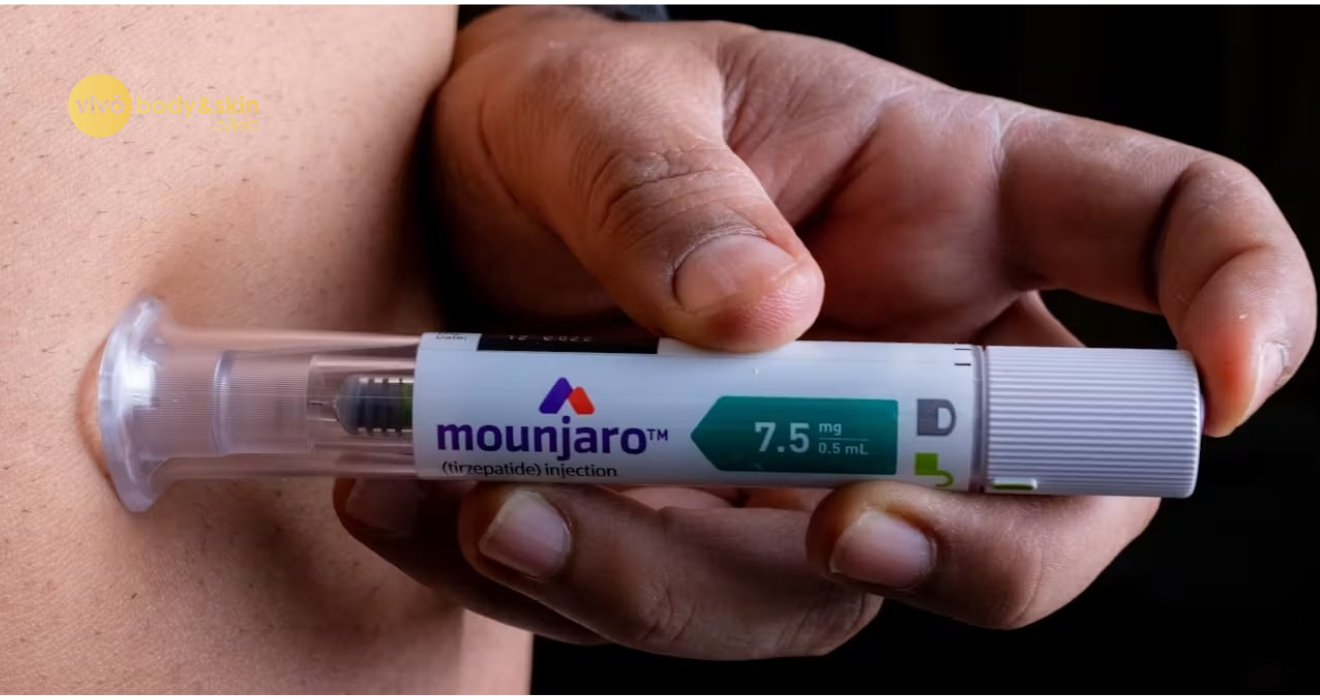
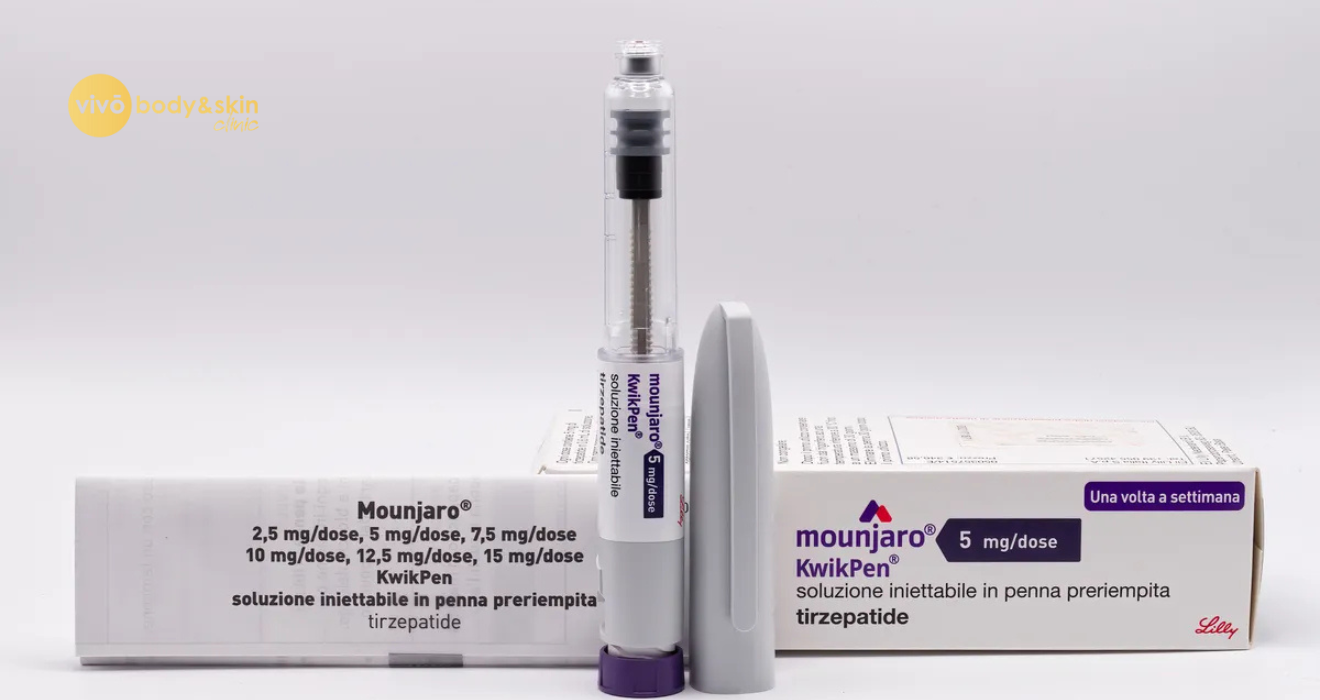
If you have lost a significant amount of weight on Mounjaro (tirzepatide) and noticed your face looking thinner, more hollow or somehow older, you are not imagining it. The phrase Mounjaro face has become shorthand online for a cluster of facial changes some people experience after substantial weight loss: flatter cheeks, more visible temples and under-eye hollows, deeper lines and a generally more tired appearance.
It is important to be clear from the outset. Mounjaro face is a popular cosmetic term, not a formal medical diagnosis. You will not find it listed in clinical guidelines, and the medication itself is not “damaging” your facial skin. What is really happening is more straightforward: rapid, large-volume weight loss reduces fat throughout the body, and the face is no exception.
This article explains the science behind these changes in plain language, who tends to notice them most, and the realistic steps and treatments that may help, drawing on current peer-reviewed research. Throughout, our aim is to inform first and reassure where we honestly can.
Why Weight Loss Changes the Face
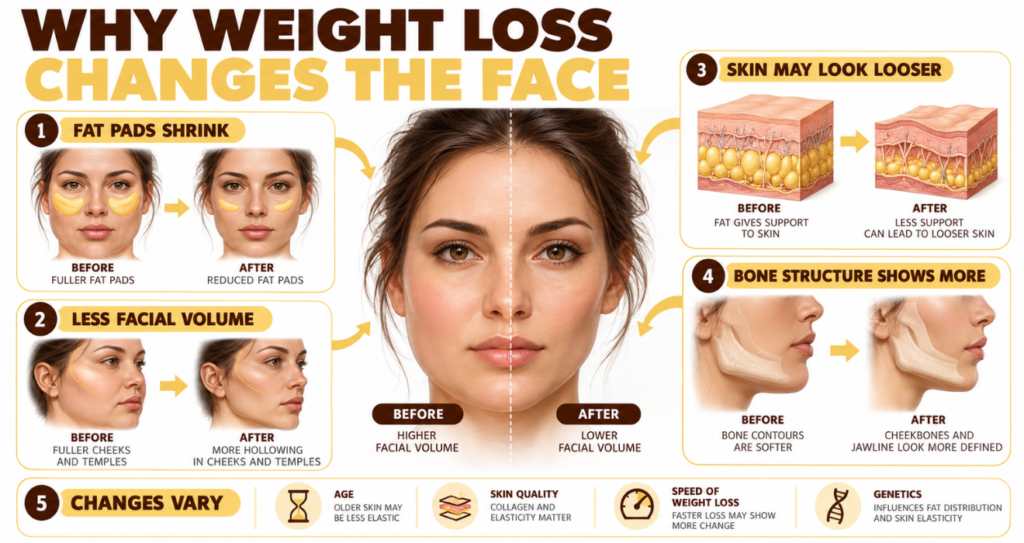
A youthful face relies heavily on well-supported soft tissue. Beneath the skin sit superficial and deep fat pads in the cheeks, temples and around the eyes, which create soft, rounded contours and smooth transitions between facial areas. When you lose weight, fat is mobilised from fat stores all over the body, including these facial compartments.
Tirzepatide is remarkably effective. In the SURMOUNT-1 trial published in the New England Journal of Medicine, participants achieved mean weight reductions of roughly 16 to 22.5 per cent. Imaging research summarised in aesthetic literature suggests that, on average, a person may lose around 7 per cent of midface volume for every 10 kg of body weight lost, with the superficial cheek fat most affected.
When that fullness deflates, two things tend to happen together:
- The cheeks and temples look flatter, cheekbones and the jawline become sharper, and under-eye hollows and nasolabial folds become more obvious.
- The skin that previously draped over a fuller face now has relatively more surface area, which can look lax, especially where natural skin elasticity has already declined with age.
Rapid weight loss also reduces lean muscle mass. A network meta-analysis of GLP-1 and dual GLP-1/GIP therapies found that lean tissue accounts for roughly a quarter of total weight lost. Less underlying muscle and fat means less support for the overlying skin, which can contribute to that “deflated” look.
Is It the Drug or the Weight Loss?
This is the question patients ask most, and the honest answer is that the evidence points firmly towards weight loss itself rather than a toxic effect of the medication. Clinicians at the Cleveland Clinic describe the closely related “Ozempic face” as a consequence of rapid weight loss reducing subcutaneous fat, not a direct side effect of the drug.
The same pattern of facial change is seen after bariatric surgery, crash dieting and other forms of substantial, fast weight loss. In other words, the face responds to how much and how quickly you lose weight, regardless of the method used to get there.
There is emerging laboratory research exploring whether GLP-1 signalling might have subtle direct effects on skin and fat biology, but this remains preclinical and unproven in everyday clinical practice. Importantly, large trials of tirzepatide have not flagged facial ageing as a safety concern. It is best understood as a cosmetic consequence of successful weight loss, not a sign that the medication is harming you.
If you are weighing up treatment or already underway, our guide to a Mounjaro consultation in Mumbai explains eligibility, safety and what to expect.
Mounjaro face is not the medication harming your skin. It is your face responding to how much, and how quickly, you have lost weight.
Who Is Most Likely to Notice These Changes?
Not everyone who loses weight on tirzepatide will develop noticeable facial changes. Research and clinical experience suggest some people are more susceptible than others. You may be more likely to notice facial changes if you:
- Are older, as skin elasticity and collagen naturally decline with age.
- Lose a large proportion of body weight, particularly more than 15 to 20 per cent.
- Lose weight very quickly, over just a few months rather than gradually.
- Started with a leaner face and limited facial fat reserves.
- Have existing skin laxity, significant sun exposure or a history of smoking.
A large patient-reported survey of over 1,200 people on weight-loss treatments found that the frequency of skin sagging and decreased facial volume rose with the amount of weight lost. Among those who lost more than 20 per cent of their body weight, half reported decreased facial volume and a majority reported skin sagging.
Concern, Cause and What May Help: A Quick Reference
The table below summarises the most common concerns, why they occur, what may help and when it is sensible to seek professional advice. It is a guide only and not a substitute for an individual assessment.
| Concern | Possible reason | What may help | When professional assessment is appropriate |
|---|---|---|---|
| Hollow or flatter cheeks | Loss of superficial midface fat with rapid weight loss | Slower weight loss, nutrition, volume-restoring options such as fillers (assessed individually) | If the change is distressing or you are considering volume restoration |
| Temple and under-eye hollowing | Deflation of fat pads around the eyes and temples | Individualised volumising treatment; good skincare and hydration | If hollows look pronounced or affect your confidence |
| Loose or sagging skin | Reduced fat and muscle support plus age-related skin laxity | Skin-tightening approaches such as HIFU or radiofrequency for mild to moderate laxity | For moderate laxity, or to rule out the need for surgical options |
| Deeper lines and folds | Less underlying volume and reduced skin elasticity | Topical retinoids, antioxidants, collagen-stimulating treatments | If lines appear suddenly deeper and bother you |
| Tired, drawn appearance | Combined volume loss, laxity and possible dehydration or nutrient gaps | Hydration, protein, sun protection, tailored in-clinic treatment | If appearance affects wellbeing or persists despite lifestyle measures |
Can Mounjaro Face Be Reversed?
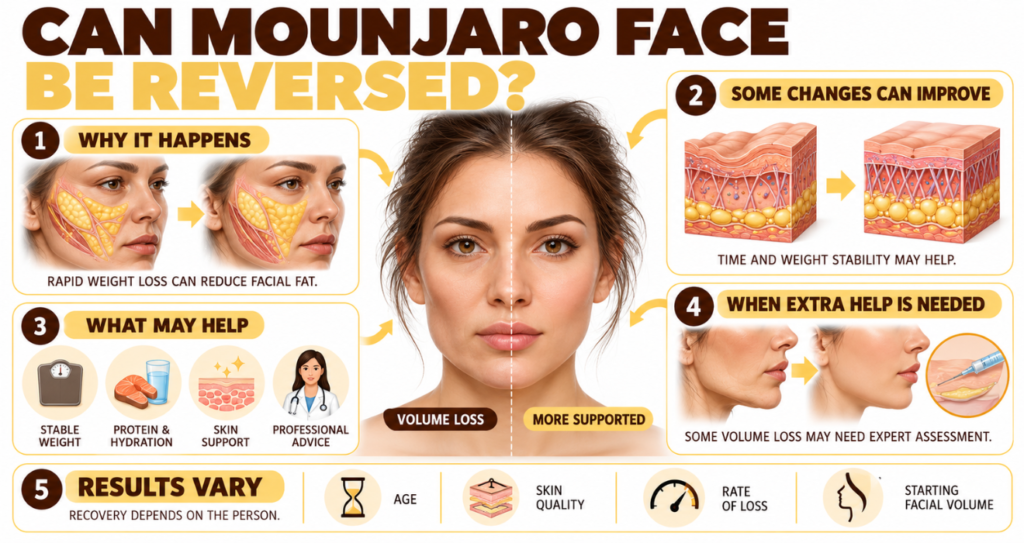
This depends on what is driving the change and your individual circumstances, so it is important to be realistic. Some facial changes soften over time as your weight stabilises and your skin and tissues adjust. If weight is regained, facial fat may partially return, although research suggests fat distribution does not always return to its exact previous pattern.
What can be influenced is how the changes are supported and managed. Lifestyle measures help, and several non-surgical treatments can address specific concerns. The key is distinguishing between two different problems that often occur together:
- Volume loss is a reduction in facial fat and fullness. This is best addressed by volume-restoring approaches such as hyaluronic acid fillers or collagen-stimulating injectables, assessed on an individual basis.
- Skin laxity is looseness or sagging of the skin itself. This is where skin-tightening treatments such as HIFU and radiofrequency may help.
This distinction matters enormously. Skin-tightening treatments cannot replace lost facial volume, and volume treatments do not tighten loose skin. A thorough assessment is needed to work out which concern, or combination of concerns, you actually have.
If your main worries extend to the body as well as the face, our articles on non-surgical skin tightening after weight loss and body contouring after Mounjaro weight loss may be helpful alongside this one.
Realistic Ways to Prevent or Reduce Facial Changes
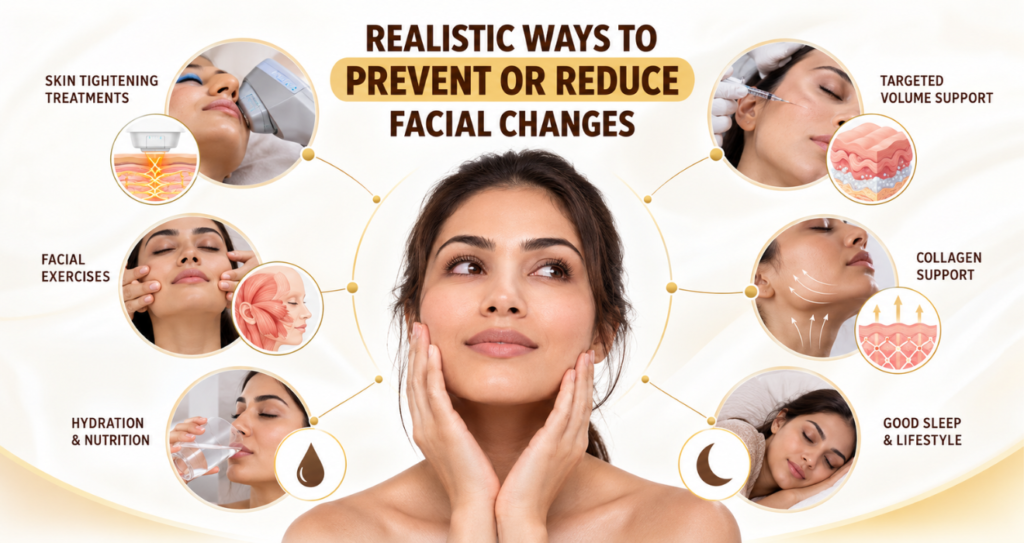
While nothing can guarantee you avoid facial changes, there are sensible, evidence-informed steps that may reduce their intensity.
Pace your weight loss
Speed matters as much as amount. Losing weight gradually gives skin and soft tissue more time to adapt. Clinicians often suggest a steadier rate where medically appropriate. Dose titration and maintenance phases can sometimes be adjusted in discussion with your prescriber.
Protect your muscle and nutrition
Adequate protein and resistance training help preserve lean mass during the weight-loss phase. From a skin perspective, protein also provides the building blocks for collagen, while vitamins C, A and D, zinc and iron support skin and hair health. Appetite suppression and gastrointestinal side effects can inadvertently reduce intake, so nutrient-dense eating matters.
Look after your skin
Gentle cleansing, good hydration, moisturisers containing humectants, and daily broad-spectrum sun protection all support skin quality. Topical ingredients such as retinoids and antioxidants may help fine lines and texture over time. Be clear, though, that skincare cannot restore lost volume or fully correct sagging.
For those keeping results long term, our guides on Mounjaro weight-loss maintenance and how to maintain weight loss after Mounjaro in India offer practical strategies.
Non-Surgical Skin Tightening for Mild to Moderate Laxity
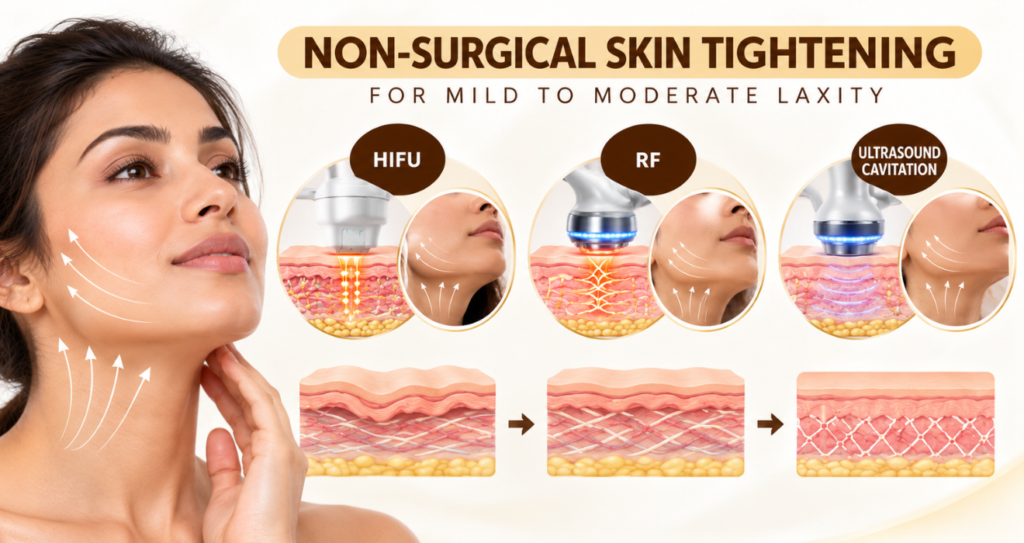
Non-Surgical Options at Vivo: HIFU and Radiofrequency
At Vivo Body & Skin Clinic, we focus on non-invasive approaches for skin laxity. Two of the most relevant for the face and neck are HIFU and radiofrequency.
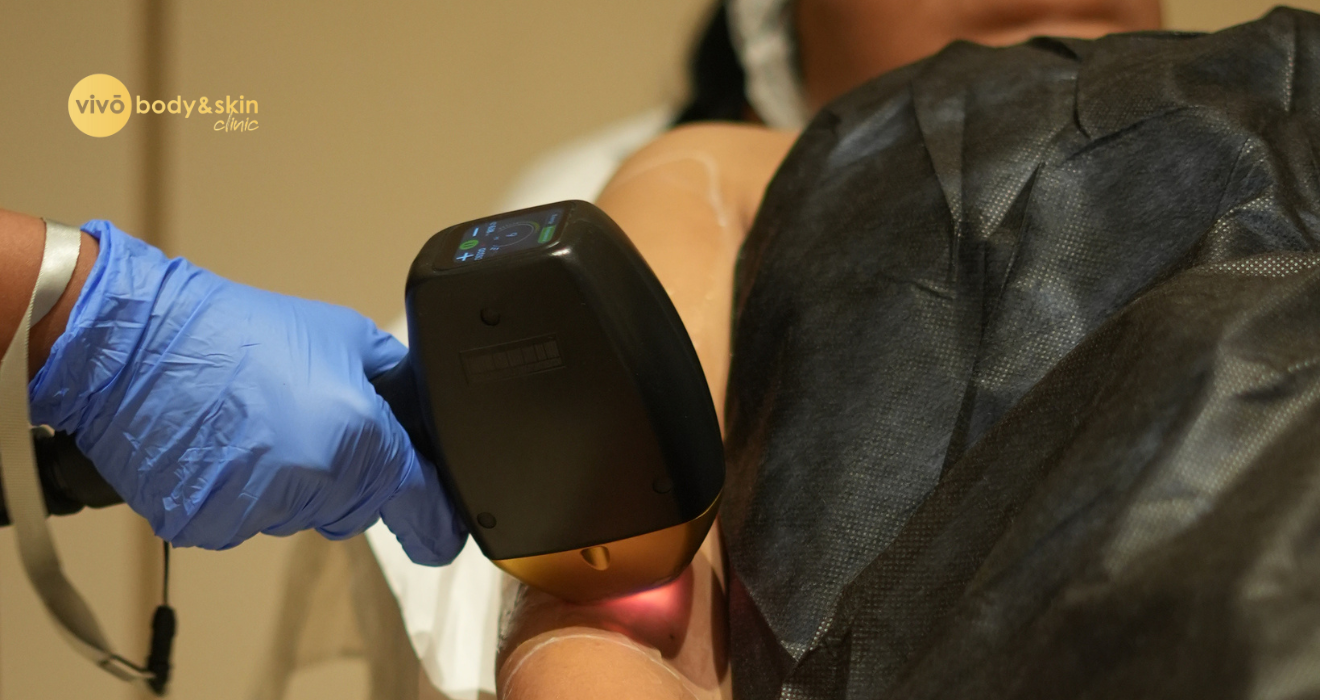
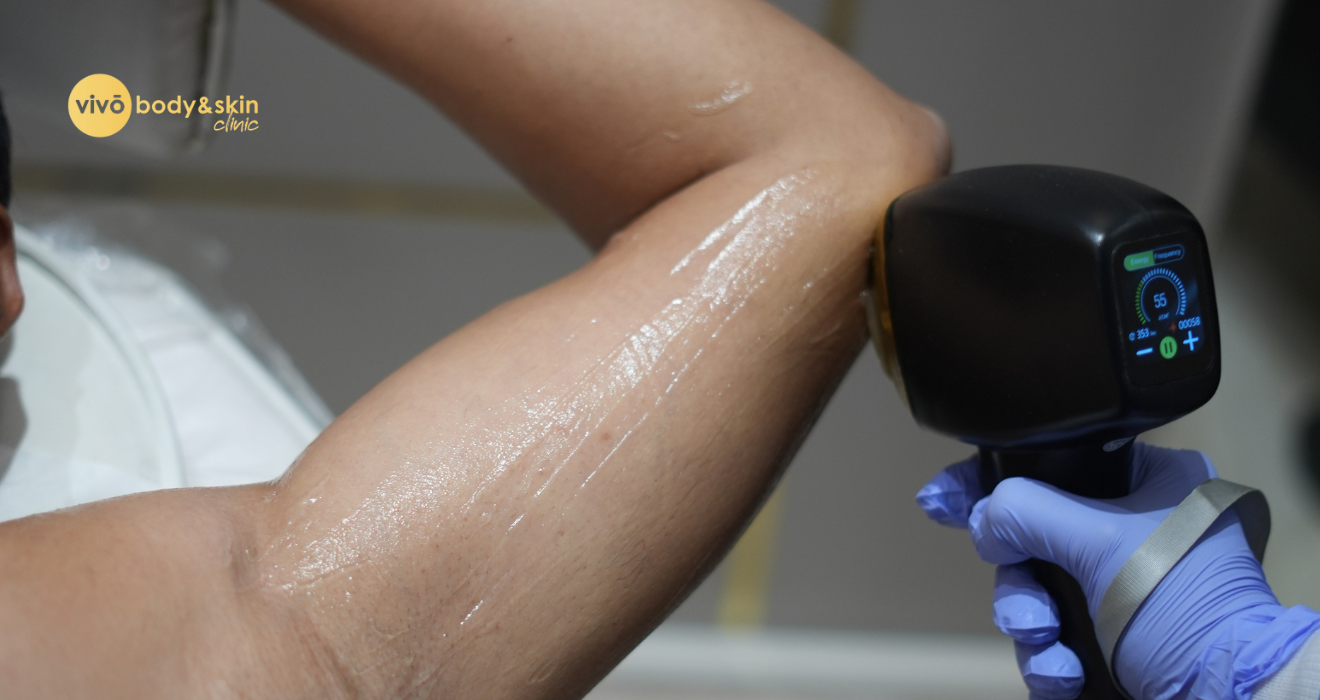
HIFU (High-Intensity Focused Ultrasound) delivers focused ultrasound energy to deeper layers of the skin, encouraging collagen contraction and renewal. It is generally suited to mild to moderate laxity.
Radiofrequency (RF) uses controlled heat in the dermis to stimulate collagen remodelling and improve skin firmness and texture. It can be used across the cheeks and neck.
Both work by addressing skin quality and firmness, not facial volume. If your main concern is hollowing rather than looseness, tightening alone will not solve it, and your clinician may discuss volume-focused options instead. Our overview comparing HIFU, RF and microneedling for facial rejuvenation explains how these technologies differ, and our guide to non-surgical neck tightening covers the neck specifically, which is a common area of concern after weight loss.
We should be transparent: robust evidence specifically in people who have lost weight on GLP-1 medications is still limited. That is precisely why suitability must be determined through an individual assessment rather than a one-size-fits-all promise. No treatment can guarantee results.
When Should You Consider Facial Skin Tightening After Weight Loss?
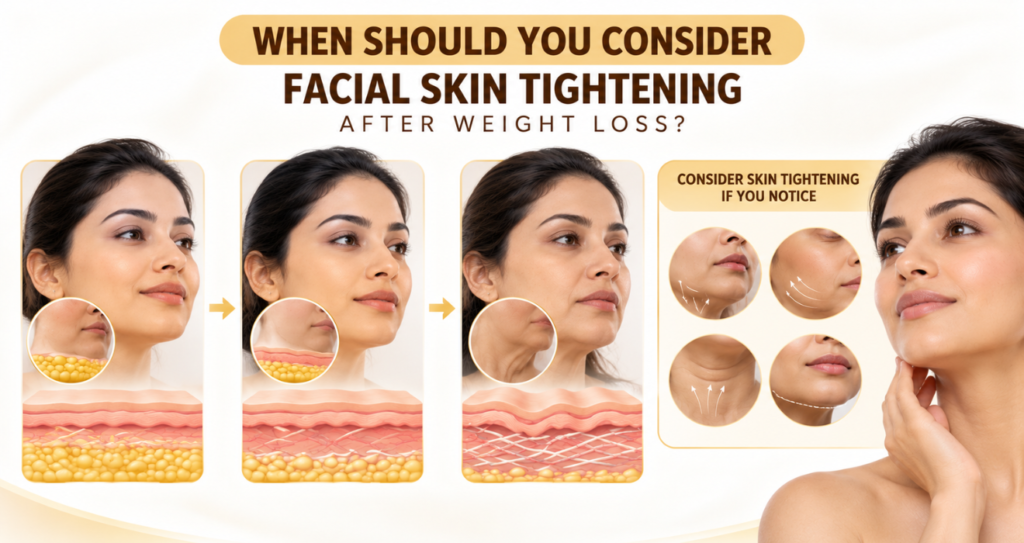
There is no single right moment, but a few principles help:
- Wait until your weight is reasonably stable. Treating while weight is still changing significantly makes results less predictable, as your facial contours are still shifting.
- Match the treatment to the concern. Skin tightening suits mild to moderate laxity. If volume loss is the dominant issue, a different approach is needed.
- Seek assessment if changes affect your wellbeing. If the way your face looks is genuinely troubling you, a professional consultation can clarify your options and set realistic expectations.
- Recognise the limits of non-surgical care. Severe skin redundancy, more typical after very large weight loss, may be beyond what HIFU or RF can achieve, and a surgical opinion may be appropriate.
Medical assessment is also sensible if you notice anything beyond cosmetic change, such as new functional problems, or if facial changes are prompting you to consider stopping an effective medication.
Should You Stop Mounjaro Because of Facial Changes?
This is a decision to make with your prescriber, not based on social media alone. Tirzepatide offers substantial metabolic and cardiovascular benefits for many people. Stopping an effective treatment purely over a cosmetic concern, without weighing the broader health picture, may not be in your best interests.
Facial changes are modifiable and can often be managed, whereas the health conditions tirzepatide treats are not trivial. If facial changes are weighing on you, the more constructive path is usually a conversation about pacing your weight loss, optimising nutrition and exploring supportive treatments, rather than abandoning therapy outright.
Why Choose Vivo Body & Skin Clinic?

At Vivo Body & Skin Clinic in Mumbai, we offer a range of affordable, non-invasive aesthetic treatments delivered by an experienced team using the latest aesthetic technology. Our approach to facial changes after weight loss is honest and individualised. We take the time to understand whether your concern is volume loss, skin laxity or a combination, because the right plan depends entirely on getting that distinction right.
We will never promise guaranteed results or push a treatment that is not suited to you. Instead, a consultation gives you a clear, realistic picture of what non-surgical options such as HIFU and radiofrequency can and cannot achieve for your face and neck, and when a different approach makes more sense.
If you have lost weight on Mounjaro and are unhappy with how your face looks, book a consultation with our team. We will assess your skin, discuss your goals and help you understand your realistic options, with no pressure and no exaggerated claims.
What is Mounjaro face?
Mounjaro face is a popular, informal term for the facial changes some people notice after substantial weight loss on tirzepatide, such as flatter cheeks, hollow temples and under-eyes, deeper lines and a more tired look. It is a cosmetic description, not a formal medical diagnosis, and reflects loss of facial fat and support rather than damage caused by the medication.
Does Mounjaro cause facial ageing?
Not directly. Current evidence indicates that the facial changes are driven by rapid, substantial weight loss reducing facial fat and muscle support, interacting with natural age-related changes in the skin. The same pattern is seen after bariatric surgery and crash dieting. Large trials have not identified facial ageing as a safety signal for tirzepatide.
Why do cheeks look hollow after weight loss?
The cheeks contain superficial fat pads that create youthful fullness. When you lose weight quickly and in large amounts, these pads deflate, flattening the midface and making cheekbones more prominent. Imaging research suggests the superficial cheek fat is particularly affected, which is why the cheeks are often one of the first areas people notice.
Will my face regain volume?
It may partially, especially if some weight is regained, though facial fat does not always return to its exact previous pattern. For many people the appearance settles somewhat as weight stabilises. Where volume loss persists and is troubling, volume-restoring treatments can be discussed during a professional assessment.
Can HIFU help loose facial skin after weight loss?
HIFU may help with mild to moderate skin laxity by stimulating collagen in deeper skin layers to improve firmness over time. It does not restore lost facial volume, so it is most useful when looseness, rather than hollowing, is the main concern. Suitability requires an individual assessment, and results vary from person to person.
Can RF tighten skin after Mounjaro?
Radiofrequency can improve skin firmness and texture for mild to moderate laxity by heating the dermis to encourage collagen remodelling. Like HIFU, it addresses skin quality rather than volume. Evidence specifically in GLP-1 users is still limited, so an assessment is needed to decide whether RF is appropriate for you, and no result can be guaranteed.
How long do facial changes last?
This varies. Some changes soften over weeks to months as weight stabilises and tissues adjust. Age-related skin laxity, however, does not reverse on its own. Lifestyle measures and, where appropriate, non-surgical treatments can help support the appearance over time.
Can slower weight loss prevent Mounjaro face?
Pacing weight loss more gradually may reduce the intensity of facial changes, as it gives the skin and soft tissue more time to adapt. Clinicians often support a steadier rate where medically appropriate, alongside good nutrition and resistance training to preserve muscle. It is not a guarantee, but it can help.
Should I stop Mounjaro because of facial changes?
This should always be discussed with your prescriber rather than decided alone. Tirzepatide offers significant health benefits, and facial changes are usually cosmetic and modifiable. In most cases, adjusting the pace of weight loss, improving nutrition and considering supportive treatments is a better path than stopping an effective medication.
When should I seek professional advice?
Consider a consultation if facial changes are affecting your confidence or wellbeing, if you are unsure whether your concern is volume loss or skin laxity, or if you are thinking about stopping your medication because of how your face looks. A professional assessment can clarify your realistic options and help you make an informed decision.