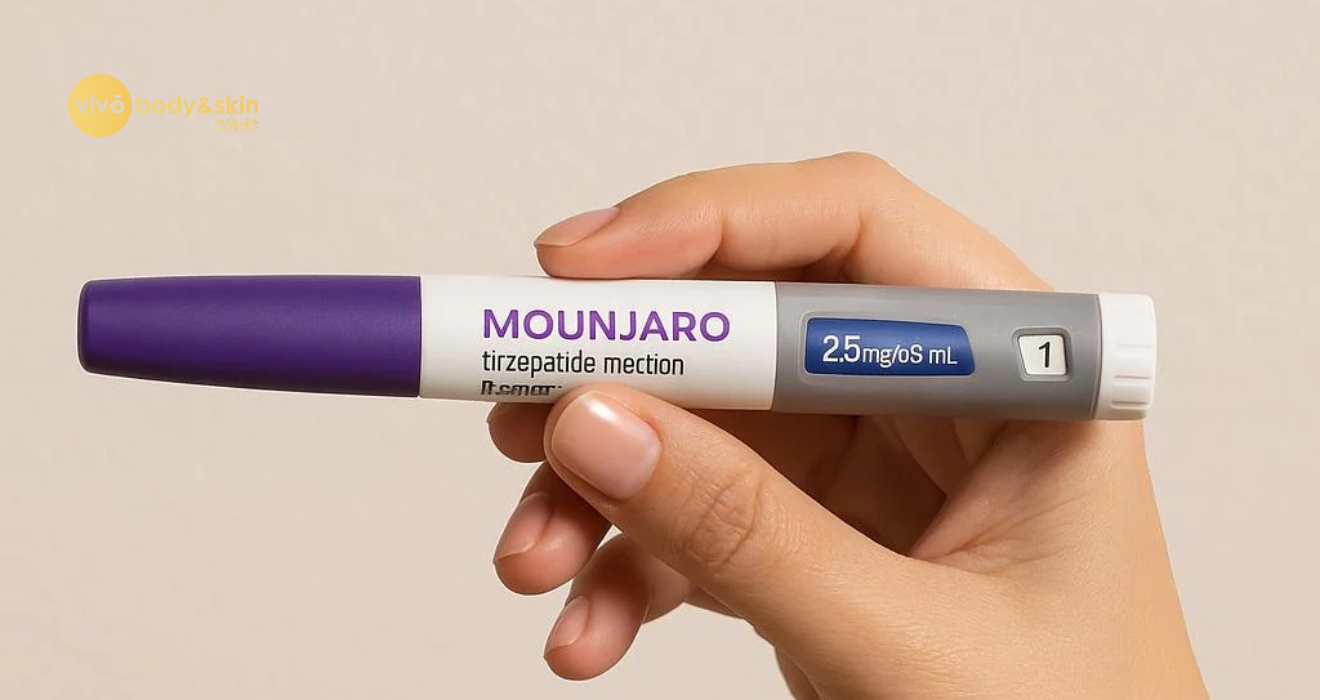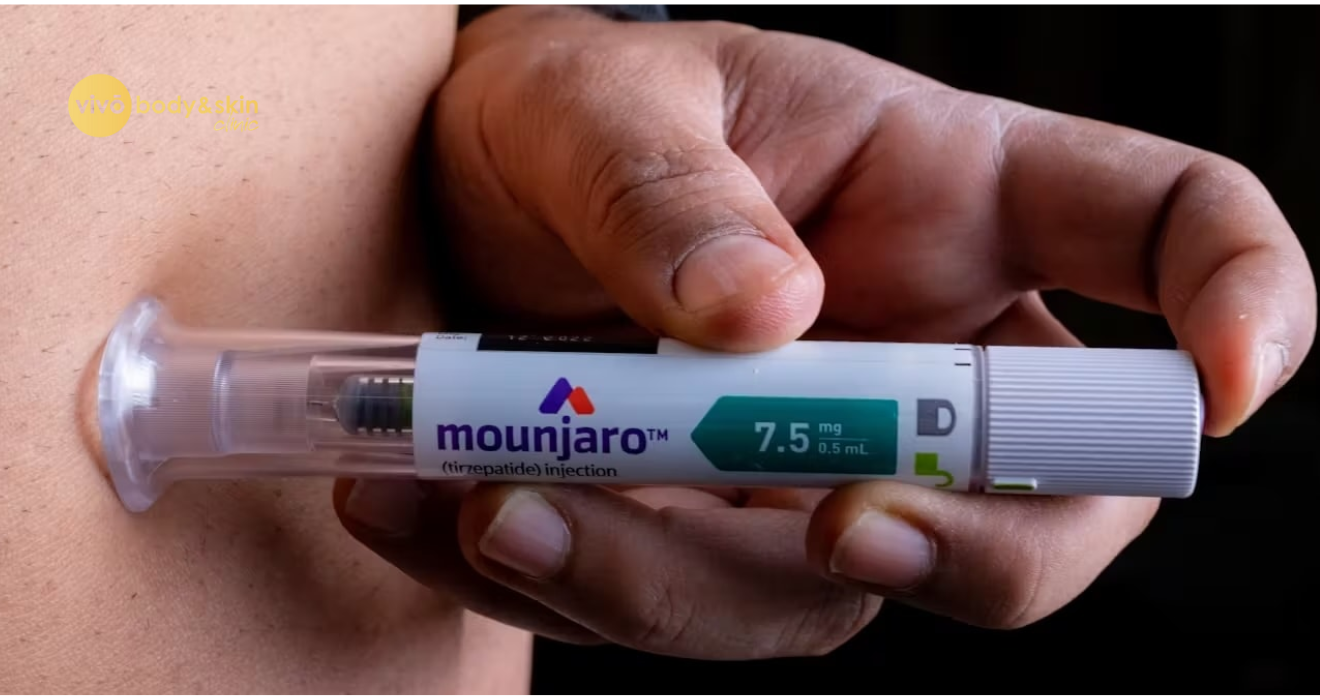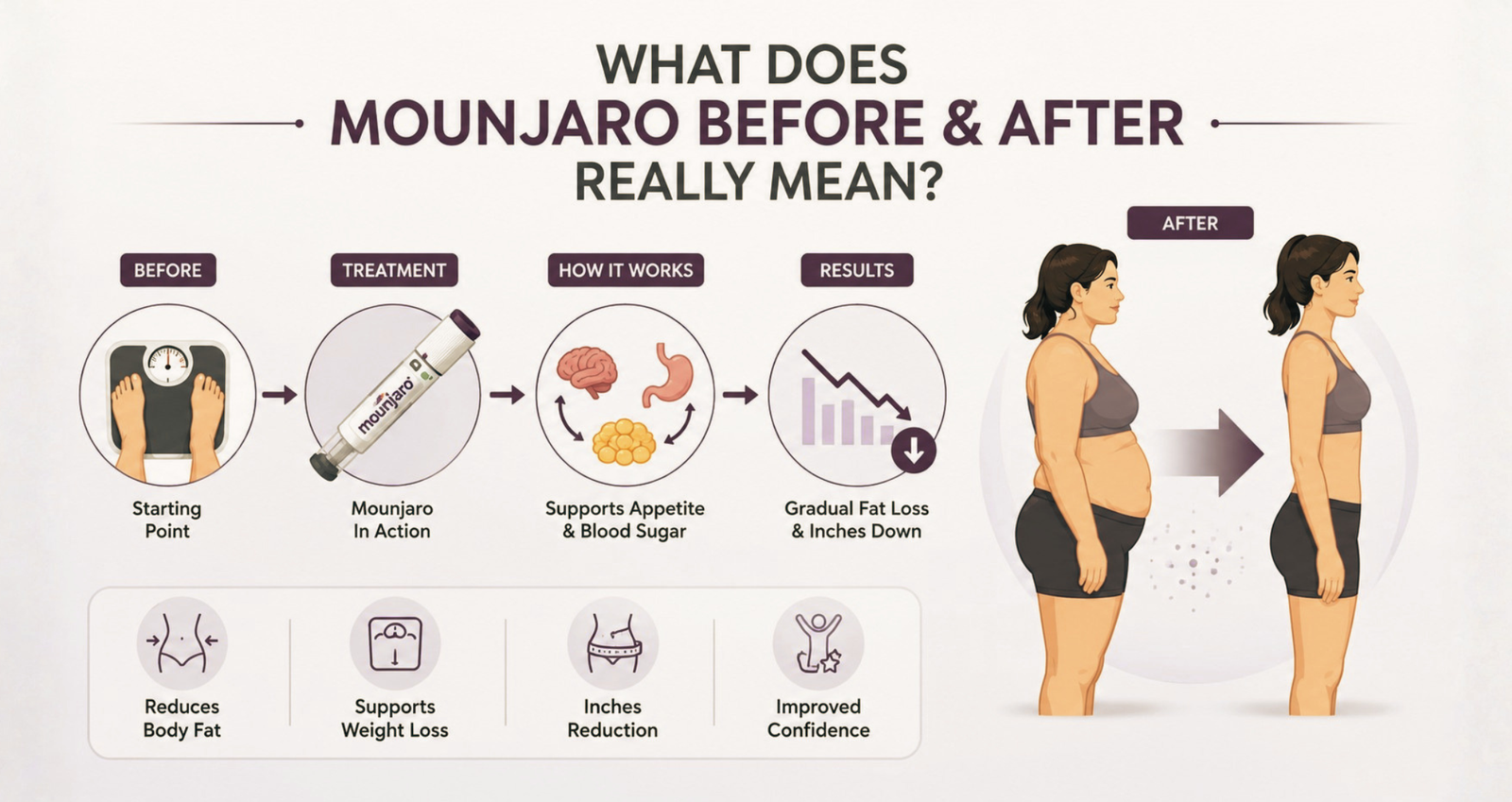
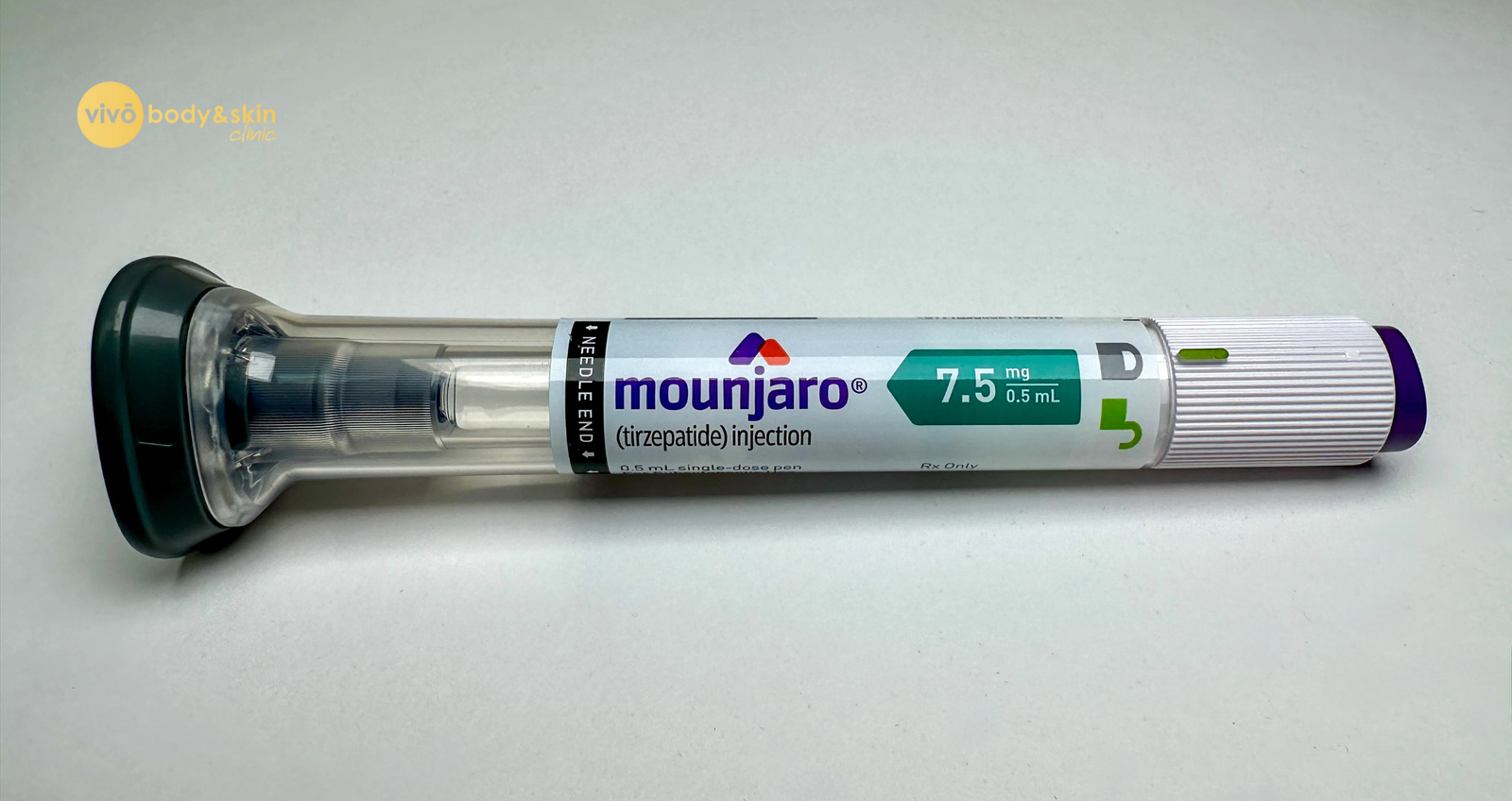
Mounjaro (tirzepatide) has quickly become one of the most talked-about weight loss injections in India, and for good reason. Acting on both the GIP and GLP-1 receptors, it can produce weight reductions of 15-21% in clinical trials, alongside meaningful improvements in blood sugar and cardiometabolic health. Yet losing the weight is only half the journey. The real challenge lies in Mounjaro weight loss results maintenance in India, where evidence consistently shows that stopping treatment without a plan often leads to rapid weight regain. This guide explains how Mounjaro works, why maintenance matters, and the safe, practical diet and lifestyle strategies that help you protect your hard-won results for the long term.
How Mounjaro Works
Mounjaro contains tirzepatide, a once-weekly injectable peptide that acts as a dual agonist at two gut hormone receptors: glucose-dependent insulinotropic polypeptide (GIP) and glucagon-like peptide-1 (GLP-1). These incretin hormones are naturally released after eating and help regulate insulin secretion, appetite and energy balance.
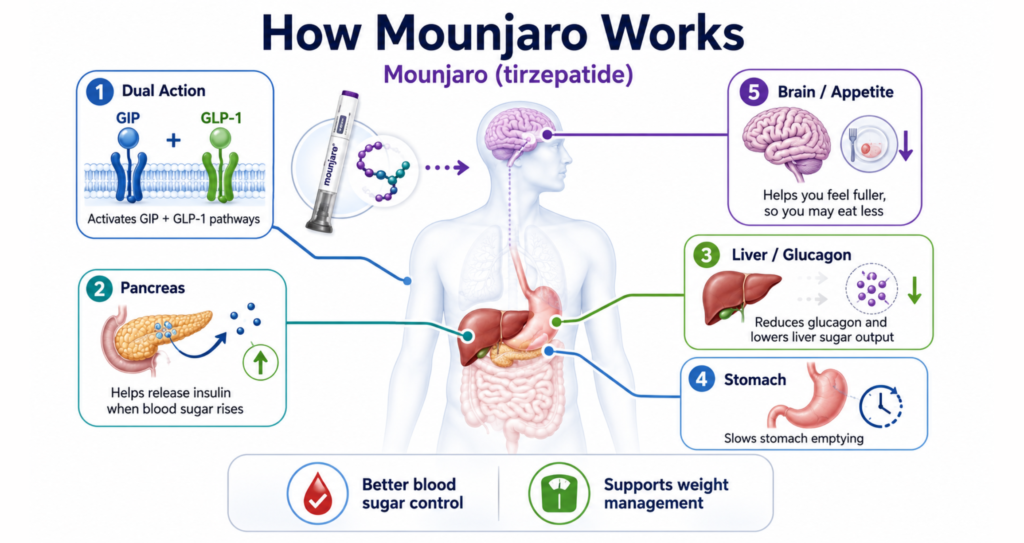
By stimulating both receptors simultaneously, tirzepatide enhances glucose-dependent insulin release, suppresses excess glucagon, slows gastric emptying and reduces appetite. Many patients describe this as a quieting of the constant “food noise” – cravings fade, portions feel smaller and satiety arrives sooner. The slowed gastric emptying keeps you feeling full for longer, while the metabolic effects support healthier fat metabolism and improved insulin sensitivity.
In the landmark SURMOUNT-1 trial, adults with obesity lost an average of 15% of body weight on 5 mg, rising to nearly 21% on 15 mg over 72 weeks. Because the dual action targets both pancreatic and central appetite pathways, tirzepatide tends to produce greater weight loss than GLP-1-only drugs such as semaglutide. In India, Mounjaro is currently approved by the CDSCO for type 2 diabetes, and its weight loss effect is a valuable additional benefit that must always be paired with sustainable lifestyle change.

Why Maintaining Weight Post-Mounjaro Is Important
Obesity is now recognised as a chronic, relapsing condition rather than a problem to be cured once and forgotten. This is the single most important idea to grasp when it comes to keeping your results. When you lose weight, the body adapts: appetite hormones increase, resting metabolic rate falls, and the biological drive to regain weight strengthens. Mounjaro counteracts these signals while you are on it – but the underlying biology does not disappear.
The SURMOUNT-4 withdrawal trial demonstrated this vividly. Participants who continued tirzepatide maintained and even improved their weight loss, while those switched to placebo regained around 14% of their body weight over the following year – despite continuing lifestyle counselling. Systematic reviews across GLP-1 medicines confirm that weight regain after stopping is common and often rapid.
This does not mean your results are doomed. It means that maintaining your progress – whether you continue treatment long term or eventually taper off – requires a deliberate, structured approach. Preventing rebound weight gain protects your metabolic health, your improved blood pressure and lipids, and your confidence.
The evidence is clear: obesity behaves like a chronic condition. Maintaining weight loss after Mounjaro is less about willpower and more about a smart, sustainable plan.
Dietary Tips to Maintain Results
Nutrition is the cornerstone of maintaining weight after Mounjaro. Once the pharmacological appetite suppression eases, thoughtful food choices help replicate that natural feeling of fullness and keep your energy balance in check.
Prioritise protein at every meal
Adequate protein preserves lean muscle mass during and after weight loss, which keeps your metabolism higher and enhances satiety. In an Indian diet, this means building meals around dal, chana, rajma, paneer, curd, eggs, soy, fish or lean meats rather than relying on polished rice or maida-based breads.
Focus on fibre and whole foods
Soluble fibre from vegetables, whole fruits, legumes and whole grains such as millets forms a gel-like consistency in the stomach, slowing digestion and naturally stimulating your body’s own GLP-1 satiety signals. Swapping refined carbohydrates for unpolished rice, whole-wheat chapatis and millets supports steadier blood sugar and longer fullness.
Practise portion control and mindful eating
Eat slowly, chew thoroughly and pause to assess fullness before serving more. Using smaller plates and eating meals at consistent times – roughly three to five hours apart – prevents the intense hunger that triggers overeating.
Stay hydrated
Mild dehydration is often mistaken for hunger. Drinking water regularly throughout the day, and testing whether a glass of water settles a craving before reaching for a snack, is a simple but effective habit.
Keep balance in mind
Include modest amounts of healthy fats from nuts, seeds and oils, while limiting deep-fried snacks, rich creamy gravies and sugary sweets. A balanced, culturally familiar diet is far easier to sustain than a restrictive regime you cannot maintain.
Continuing vs Stopping Mounjaro for Maintenance
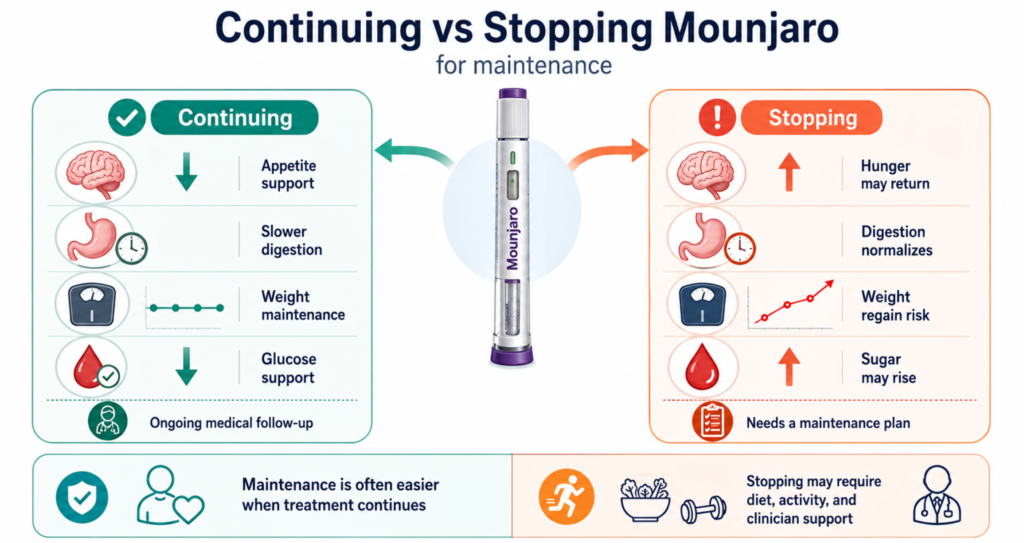
Continuing Mounjaro (Under Supervision)
- Best evidence for maintaining maximum weight loss long term
- SURMOUNT-4 showed continued users kept or improved their results
- Ongoing appetite control makes healthy eating easier
- Sustained improvements in blood sugar, blood pressure and lipids
- Lowest effective dose can balance benefit, side effects and cost
Stopping Mounjaro
- Significant ongoing monthly cost in India
- Requires continued medical monitoring and follow-up
- High likelihood of weight regain if stopped without a plan
- Increased appetite and “food noise” return after discontinuation
- Demands intensive lifestyle effort to preserve results
Lifestyle & Exercise Guidance
Physical activity is one of the most powerful tools for weight maintenance. While exercise alone rarely produces dramatic weight loss, it protects lean muscle and helps keep your resting metabolic rate from falling – a key defence against rebound weight gain.
Combine aerobic and strength training
Aim for at least 150 minutes of moderate-intensity aerobic activity each week, such as brisk walking, cycling or swimming, spread across most days. Just as importantly, include two to three sessions of resistance or strength training weekly. Bodyweight exercises, resistance bands or light weights help preserve and build muscle, which is central to long-term maintenance.
Choose sustainable, low-impact options
In many Indian cities, outdoor exercise can be limited by traffic, heat, pollution or safety concerns. Home-based routines, yoga, and simple bodyweight circuits are excellent low-impact alternatives that are easy to keep up. Yoga offers the dual benefit of movement and stress relief.
Prioritise sleep and stress management
Poor sleep raises the hunger hormone ghrelin and lowers the fullness hormone leptin, increasing cravings. Aim for seven to eight hours of quality sleep and a consistent sleep schedule. Chronic stress, common in busy urban life, can drive emotional eating, so mindfulness, breathing exercises or counselling can be genuinely protective.
Significant weight loss can sometimes leave loose or lax skin, particularly around the abdomen, arms and thighs. Many of our clients pair their weight maintenance efforts with non-invasive treatments – you may find our guide to non-surgical skin tightening after weight loss helpful, along with tips on tightening loose skin without surgery. For stubborn pockets of fat that resist diet and exercise, our overview of fat freezing sessions explains what FDA-cleared body contouring can achieve.

Monitoring & Professional Follow-Up

Maintaining your results safely depends on ongoing professional oversight. Regular monitoring allows you and your clinician to catch small regains early, adjust your plan and confirm your overall health remains on track.
Practical tracking includes regular measurement of weight, waist circumference and blood pressure, alongside periodic laboratory tests. For those with type 2 diabetes, HbA1c and fasting glucose are typically checked every three to six months. Liver and kidney function may also be reviewed, and pancreatic enzymes may be assessed in higher-risk individuals or if abdominal symptoms arise.
Follow-up consultations are about far more than numbers. They are an opportunity to reinforce healthy habits, troubleshoot high-risk situations such as festivals and social events, and celebrate non-scale victories like improved stamina, better sleep and clothes fitting more comfortably. If you are considering tapering off Mounjaro, a supervised, gradual reduction – rather than abrupt cessation – combined with intensified lifestyle support gives you the best chance of preserving your progress. Never adjust or stop your dose on your own; do so in partnership with your treating professional.
Common Mistakes to Avoid
Even highly motivated people can undermine their maintenance efforts. Being aware of these common pitfalls helps you sidestep them.
- Skipping meals: Skipping breakfast or eating erratically triggers intense, “chaotic” hunger later in the day, leading to overeating and poor choices. Consistent, balanced meals keep appetite steady.
- Treating Mounjaro as a quick fix: Viewing the injection as a short-term diet drug and abandoning lifestyle change almost guarantees rebound weight gain once treatment stops.
- Ignoring hydration: Under-drinking can be mistaken for hunger and worsens constipation, a common issue on incretin therapy.
- Neglecting protein and muscle: Losing weight without adequate protein or strength training means losing muscle, which lowers metabolism and makes regain easier.
- Returning to old habits: Slipping back into large portions, frequent deep-fried snacks and sedentary routines quietly reverses your progress.
- Stopping abruptly without a plan: Discontinuing suddenly, especially from a high dose, without intensifying lifestyle support leaves you vulnerable to rapid regain.
Awareness, planning and regular professional check-ins are your strongest protection against each of these mistakes.
Why Choose Vivo Body & Skin Clinic

At VIVO Body & Skin Clinic in Mumbai, we understand that lasting results come from expert supervision and a personalised plan – not a one-size-fits-all approach. Our experienced team offers a range of affordable, non-invasive aesthetic treatments using the latest pioneering technology to deliver unrivalled results. From FDA-cleared fat freezing to advanced skin tightening, we support your journey both during and after medical weight loss.
We believe in safe, evidence-based guidance tailored to your body, your goals and your lifestyle in India. Whether you want to refine stubborn areas, address loose skin after weight loss, or simply build a sustainable maintenance strategy, our specialists are here to help you look and feel your best. If you are curious about the financial side of treatment, our detailed guide to Mounjaro weight loss cost in India is a helpful starting point.
Book your consultation today to maintain your Mounjaro results safely.

Conclusion
Mounjaro can deliver remarkable weight loss, but maintaining those results is where the real success lies. By treating obesity as a chronic condition, prioritising protein and fibre, staying active with a mix of aerobic and strength training, sleeping well and managing stress, you give yourself the best chance of preserving your progress. Regular professional monitoring – and avoiding common pitfalls like skipping meals or stopping abruptly – makes maintenance far more achievable. Whether you continue treatment or taper off with a plan, safe, supervised, personalised guidance is essential. Ready to protect your results? Book a consultation with VIVO Body & Skin Clinic and take the next step confidently.
How long do Mounjaro weight loss results last?
Results last as long as the medication is continued alongside healthy habits. Trials such as SURMOUNT-4 show that people who stop tirzepatide tend to regain a significant proportion of lost weight within a year. Ongoing treatment or a carefully planned maintenance strategy with intensive lifestyle support gives the most durable results.
Will I regain weight if I stop Mounjaro?
Some degree of weight regain is very likely after stopping, and in many people a large proportion returns. However, it is not necessarily all-or-nothing. Maintaining a protein- and fibre-rich diet, regular exercise, good sleep and stress management can help you preserve a meaningful portion of your loss, even if peak results cannot be fully sustained.
Do I need to keep taking Mounjaro forever to maintain results?
For maximum, sustained weight loss, current evidence suggests long-term or even indefinite therapy is usually most effective. That said, some people in India opt for a finite course to kick-start weight loss and then transition to intensive lifestyle programmes, accepting partial regain. Discuss the right approach for you with a specialist, factoring in cost, side effects and life circumstances.
Can I combine Mounjaro with diet and exercise for better maintenance?
Absolutely – and you should. Mounjaro is designed to work alongside, not instead of, healthy eating and physical activity. It makes lifestyle change easier by reducing appetite and cravings, giving you a valuable window to build sustainable habits that protect your results long term.
What are the most common side effects and how do I manage them?
The most common side effects are gastrointestinal: nausea, vomiting, diarrhoea, constipation and bloating, usually during dose increases. Slow titration, smaller meals, avoiding very fatty or fried foods, staying hydrated and gradually increasing fibre all help. Contact your clinician if you experience severe or persistent abdominal pain.
How much weight can I expect to lose and maintain?
In obesity trials, average losses ranged from around 15% on lower doses to nearly 21% on higher doses over 72 weeks. In people with diabetes, losses are often around 5-10 kg. Real-world results vary. A realistic maintenance goal of preserving a 5-10% reduction from your starting weight still offers substantial health benefits.
Is it safe to taper off Mounjaro?
Tapering gradually under medical supervision is generally more manageable than stopping abruptly, especially from higher doses. While evidence that tapering fully prevents regain is limited, it may help you adjust to returning appetite more gently. Always taper in partnership with your treating professional, never on your own.
What should I eat to feel full after stopping Mounjaro?
Focus on protein at every meal (dal, paneer, eggs, fish, curd), plenty of fibre-rich vegetables and whole grains like millets, and modest healthy fats. These foods naturally stimulate your body’s own satiety signals, partly replicating the fullness Mounjaro provided. Eat slowly, keep meals regularly timed, and stay well hydrated.
Can Mounjaro cause loose skin, and what can I do about it?
Rapid or significant weight loss can sometimes leave loose or lax skin, particularly on the abdomen, arms and thighs. Non-invasive treatments such as HIFU, radiofrequency and fat freezing can help firm and contour these areas. A consultation at VIVO Body & Skin Clinic can identify the most suitable option for your body.
How often should I have follow-up appointments?
Regular follow-up is important, especially in the early weeks and during any dose changes. Beyond that, most people benefit from reviews every three to six months to track weight, blood pressure and relevant lab tests, reinforce healthy habits and adjust the plan as needed for safe, lasting results.