
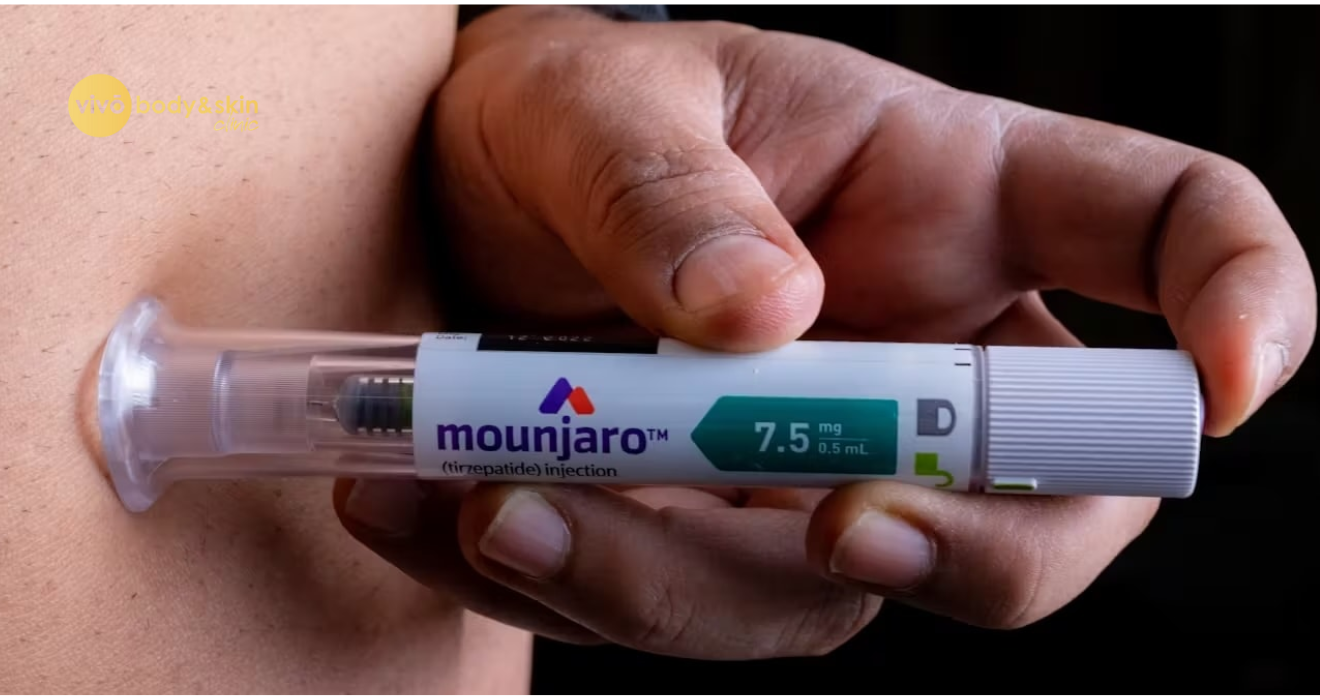
After Mounjaro Weight Loss: Why You Still Need Body Contouring
When the Scales Say Success but the Mirror Says Otherwise
Mounjaro (tirzepatide) and similar GLP-1 medications have changed the way many people approach weight loss. Substantial reductions in body weight are now achievable without surgery, and for a great many people the metabolic and health benefits are genuinely life-changing.
Yet a curious thing happens for a large number of patients. They reach their target weight, feel lighter and healthier, and then look in the mirror only to feel a wave of disappointment. The shape they imagined isn’t quite there. Stubborn pockets of fat linger around the tummy or flanks, and skin that once stretched to accommodate a larger frame now hangs loosely.
This is one of the most misunderstood aspects of the weight-loss journey. Losing weight and reshaping your body are two very different things. Weight loss reduces volume; it does not reliably tighten skin or sculpt away every stubborn fat deposit. This is exactly where body contouring after weight loss becomes relevant.
In this guide we explain why stubborn fat and loose skin remain after Mounjaro, the difference between losing weight and reshaping your figure, and how non-surgical treatments such as fat freezing, HIFU and radiofrequency can help you finally see the results you worked so hard for.
Why Does Stubborn Fat Remain After Weight Loss?
It seems counterintuitive. You’ve lost the weight, so why are there still areas that won’t budge? The answer lies in how your body stores and releases fat.
Fat distribution is not uniform
Your body does not lose fat evenly. When you lose weight, some areas respond quickly while others cling on stubbornly. Common trouble spots include the lower abdomen, love handles, inner thighs and upper arms. These pockets of stubborn fat after weight loss are often the last to change and, for some people, they barely change at all.
Genetics and body shape
Where you store fat is largely determined by genetics, sex and hormones. Two people can lose the same amount of weight and end up with very different silhouettes. This is why some individuals achieve a naturally lean shape while others are left with disproportionate deposits that persist despite excellent Mounjaro weight loss results.
Remaining subcutaneous fat
GLP-1 medications are excellent at reducing overall fat mass, including visceral fat around the organs. However, subcutaneous fat, the layer sitting just beneath the skin, can be more resistant in certain areas. It is this remaining subcutaneous fat that creates the stubborn bulges many people notice after their weight has stabilised.
Weight reduction versus body sculpting
Ultimately, medication addresses the number on the scale. It does not selectively target problem zones or refine your contours. Reshaping specific areas requires a different, more targeted approach, which brings us to the crucial distinction between weight loss and body contouring.
Image placeholder – generation failed
Prompt: A woman in comfortable neutral-toned loungewear measuring her waist with a tape measure in a bright bedroom with natural morning light, calm and thoughtful expression, lifestyle photography, soft focus background, no text.
Alt text: Woman measuring her waist after weight loss considering body contouring options
Caption: Reaching your goal weight is a milestone, but reshaping your figure is often a separate step.
Weight Loss vs Body Contouring: What Is the Difference?
Understanding this distinction is the key to setting realistic expectations for your transformation. Weight loss and body contouring are complementary, not interchangeable. One reduces your overall mass; the other refines your shape and addresses what weight loss alone cannot.
| Aspect | Weight Loss (e.g. Mounjaro) | Body Contouring |
|---|---|---|
| Primary goal | Reduce total body fat and weight | Reshape and refine specific areas |
| What it targets | Overall fat mass and metabolic health | Stubborn fat pockets, loose skin, firmness |
| Treatment approach | Medication, diet, appetite regulation | Fat freezing, HIFU, radiofrequency |
| Effect on skin | None directly; may reveal laxity | Can stimulate collagen and tighten skin |
| Expected outcome | Lower weight, smaller frame | Smoother, more sculpted, firmer contours |
In short, Mounjaro helps you lose the weight. Body contouring helps you look the way you hoped to once the weight is gone. For a fuller picture of what to expect from medication alone, our guide on realistic Mounjaro results and timelines in India is a useful companion read.
Best Non-Surgical Body Contouring Options After Weight Loss
The good news is that you no longer need surgery to address stubborn fat and loose skin. Modern, non-invasive technologies can refine your figure with little to no downtime. At VIVO Body & Skin Clinic in Mumbai, we focus on three core, evidence-based approaches.
Fat Freezing (Cryolipolysis) for stubborn fat pockets
Cryolipolysis, or fat freezing after weight loss, uses controlled cooling to target and destroy fat cells in specific areas. The treated fat cells are gradually broken down and cleared naturally by the body over the following weeks. Fat freezing is FDA cleared and is particularly well suited to isolated bulges such as the lower tummy, love handles and back fat that persist after weight loss. Because it targets fat cells specifically, it can address deposits that resist diet and medication. You can learn more about planning treatment in our article on how many fat freezing sessions you actually need.
HIFU for skin tightening
High-Intensity Focused Ultrasound (HIFU) delivers focused ultrasound energy to deeper layers of the skin, stimulating the production of new collagen. Over time, this helps to firm and lift areas affected by loose skin after weight loss. HIFU body tightening after weight loss is especially valuable for those who have lost significant weight and want to improve skin firmness without incisions. If you are weighing your options, our comparison of HIFU versus ultrasound cavitation explains which does what.
Radiofrequency (RF) for firmness and texture
RF skin tightening uses heat energy to encourage collagen remodelling in the dermis, improving skin firmness, texture and elasticity. It works well on areas with milder laxity and crepey skin, and pairs beautifully with HIFU and fat freezing as part of a combined plan. For a deeper look at how these technologies work together, see our guide to non-surgical skin tightening after weight loss in India.
Weight loss changes your volume. Body contouring changes your shape. To truly complete your transformation, you often need both.
Which Treatment Is Right After Mounjaro Weight Loss?
There is no single answer that suits everyone. The right approach depends entirely on your specific concerns, the amount of weight you have lost and the quality of your skin. Here is how the options typically map to common concerns.
Remaining belly fat
If your main frustration is a stubborn lower-tummy pouch, fat freezing is often the treatment of choice for reducing the fat itself. Where the skin over the abdomen has also lost firmness, combining fat freezing with HIFU or RF gives a more complete result. Our dedicated guide to non-surgical abdominal skin tightening explores this in detail.
Love handles and flanks
These classic problem areas respond well to cryolipolysis, which can be applied precisely to the flanks to smooth the waistline.
Loose skin
Where the primary concern is sagging or crepey skin rather than fat, HIFU and RF are the appropriate tools. They work by tightening existing skin and stimulating new collagen over the following months. Our article on restoring body shape and tightening loose skin after Mounjaro is a helpful next read.
Reduced facial firmness
Rapid weight loss can leave the face looking hollow or less defined, a phenomenon sometimes described as “Mounjaro face”. HIFU and RF are excellent for restoring facial firmness and definition without fillers or surgery. You may also find our guide to non-surgical neck tightening relevant, as the neck often changes alongside the face.
Non-Surgical Body Contouring After Mounjaro: What to Weigh Up
Benefits
- No incisions, anaesthesia or surgical downtime
- Targets specific stubborn fat pockets that medication cannot
- HIFU and RF stimulate natural collagen to firm loose skin
- Fat freezing is FDA cleared for fat reduction
- Treatments can be combined into a personalised plan
- You can return to normal activities quickly
Considerations
- Results appear gradually over weeks to months, not instantly
- Non-surgical methods cannot remove very large volumes of excess skin
- Multiple sessions may be needed for optimal results
- Best undertaken once your weight has stabilised
- Outcomes vary with age, skin quality and lifestyle
- A professional assessment is essential to set realistic goals
Results, Timeline and Realistic Expectations
One of the most important things to understand about non-surgical body contouring is that results are gradual. This is a feature, not a flaw, and it is worth explaining why.
When results appear
With fat freezing, the treated fat cells are cleared by your body over the following weeks. Most people begin to notice a difference within four to six weeks, with fuller results developing over two to three months. HIFU and RF work by stimulating collagen, a process that unfolds over several months, so skin firming typically becomes most visible around the three-to-six-month mark.
Why improvement is gradual
Your body needs time to metabolise treated fat cells and to build new collagen. Slow, steady change actually produces more natural-looking results and is a sign that your body is responding as intended. Rushing the process is neither possible nor desirable.
The importance of a personalised assessment
Skin quality, age, the amount of weight lost and how quickly it was lost all influence your outcome. Research on massive weight loss consistently shows that skin continues to remodel for around 12 to 18 months after weight stabilises, so timing matters. A thorough consultation allows us to match the right combination of treatments to your body and set expectations you can trust. For those planning to stay on medication, our guide to Mounjaro weight-loss maintenance after stopping offers useful context on keeping your results.
Safety and Who Is Suitable
Non-surgical body contouring is well tolerated and carries far fewer risks than surgical alternatives, but it is not a magic wand. Being honest about what these treatments can and cannot achieve is central to a good outcome.
Realistic expectations
Fat freezing reduces stubborn pockets of fat; it is not a weight-loss treatment. HIFU and RF firm and improve skin, but they cannot remove very large amounts of hanging skin that would otherwise require surgical excision. For the majority of people with mild to moderate concerns after Mounjaro, however, these treatments deliver meaningful, satisfying improvements.
The importance of consultation
A proper consultation is not a formality. It allows a trained professional to assess your skin, examine your specific concerns and recommend whether treatment is appropriate for you. It is also your opportunity to ask questions and understand the likely timeline.
Medical history considerations
Certain conditions may make some treatments unsuitable. If you are still actively losing weight, are pregnant or breastfeeding, or have specific medical conditions, we will discuss the safest way forward, which may include waiting until your weight has fully stabilised. This is why body contouring is best thought of as the second phase of your journey, undertaken once your weight has settled.
Why Choose VIVO Body & Skin Clinic for Weight Loss, Mumbai
Choosing where to have your treatment matters just as much as choosing the treatment itself. VIVO Body & Skin Clinic in Mumbai offers a range of affordable, non-invasive aesthetic treatments delivered by an experienced team using the latest pioneering aesthetic technology.
Our approach to non-surgical body contouring in Mumbai rests on three principles:
- Personalised treatment planning. No two bodies respond to weight loss in the same way, so we build a plan around your specific concerns, whether that is stubborn belly fat, loose skin or reduced facial firmness.
- Professional assessment. Every plan begins with a thorough consultation so that we recommend only what is genuinely likely to help you.
- A non-surgical approach. We specialise in Cryolipolysis, HIFU and RF, allowing you to refine your figure without incisions, anaesthesia or lengthy recovery.
If your weight loss has reached a stubborn plateau or you are unhappy with lingering fat and laxity, exploring your options is the sensible next step. You may also find our guide on tightening loose skin after weight loss without surgery helpful before you book.
Conclusion: Completing Your Transformation
Mounjaro and other GLP-1 medications are remarkably effective at reducing weight, but they were never designed to sculpt your figure or tighten your skin. That is a different task entirely. Stubborn fat pockets, loose skin and reduced firmness are common, expected consequences of significant weight loss, not signs that anything has gone wrong.
This is precisely why so many people who succeed with Mounjaro go on to seek body contouring as a natural second phase. With FDA-cleared fat freezing for stubborn deposits, HIFU for deeper skin tightening and RF for firmness and texture, non-surgical options can help bring your reflection in line with all your hard work.
If you have lost weight but still feel your shape isn’t quite right, we would love to help you understand your options. Book a personalised consultation with the team at VIVO Body & Skin Clinic, Mumbai, and take the final step in your transformation.
Does Mounjaro cause loose skin?
Mounjaro does not directly damage your skin or affect collagen. Loose skin is a mechanical consequence of losing fat volume rapidly, leaving the skin envelope larger than the new body beneath it. The faster and greater the weight loss, the more likely some laxity will appear.
Why do I still have belly fat after Mounjaro weight loss?
Fat loss is never perfectly even. Genetics and hormones determine where you store stubborn subcutaneous fat, and the lower tummy is a very common trouble spot. Medication reduces overall fat but cannot selectively target these resistant pockets, which is where fat freezing can help.
What is the difference between weight loss and body contouring?
Weight loss reduces your total body mass and improves metabolic health. Body contouring reshapes specific areas by targeting stubborn fat pockets and tightening loose skin. One lowers the number on the scale; the other refines your silhouette. They work best together as complementary phases.
Can non-surgical treatments really tighten loose skin?
Yes, for mild to moderate laxity. HIFU and radiofrequency stimulate your body to produce new collagen, which firms and tightens skin over several months. They cannot remove very large amounts of hanging skin, which would require surgical excision, but they help most people after Mounjaro.
Is fat freezing suitable after Mounjaro weight loss?
Fat freezing is well suited to targeting isolated, stubborn fat pockets that persist after your weight has stabilised. It is FDA cleared for fat reduction and works precisely on areas such as the tummy, flanks and back. It is best undertaken once your weight has settled.
When should I start body contouring after weight loss?
Ideally once your weight has been stable for several months. Skin continues to remodel for around 12 to 18 months after weight loss, and treating a stable body produces more reliable, lasting results. A consultation helps determine the right timing for your circumstances.
How long until I see results from body contouring?
Results appear gradually. With fat freezing, changes typically become noticeable from four to six weeks, with fuller results by two to three months. HIFU and RF firm the skin over three to six months as new collagen develops. Patience produces the most natural outcome.
Can body contouring help with a hollow face after weight loss?
Yes. Rapid weight loss can reduce facial fat, leaving the face looking hollow or less defined. HIFU and RF can restore firmness and definition by tightening skin and stimulating collagen, without the need for fillers or surgery. A tailored facial assessment is recommended.
Is non-surgical body contouring painful?
Most people tolerate these treatments very well. Fat freezing may cause a cold, pulling sensation initially, while HIFU and RF produce warmth. There is little to no downtime, and you can usually return to your normal activities straight away. Your practitioner will explain what to expect.
How many sessions of body contouring will I need?
This depends on your concerns, the area treated and your goals. Some people see good results from a single fat freezing session per area, while skin tightening usually benefits from a short course. A personalised consultation will give you a clear treatment plan tailored to you.
All Categories
- Aesthetic Clinic
- Aesthetic Clinic Mumbai
- Aesthetic Treatments
- Body Contouring
- Bridal Beauty
- Chemical Peels & Pigmentation T
- Facials, Skin Glow & Acne Treatments
- Fat Feezing Tips
- Fat Freezing
- Fat Loss & CoolSculpting
- Fat Reduction
- HIFU
- HIFU – Non-Surgical Face & Body Lifting
- HIFU Treatments
- IV Drip Therapy
- Laser & Advanced Aesthetic Technologies
- Medical Aesthetics
- Medical Weight Management
- Mounjaro
- Mumbai Clinic
- Non-Surgical Treatments
- Plasma eye lift
- Post-Pregnancy
- Post-Pregnancy Care
- Post-Pregnancy Treatments
- Skin Clinic Mumbai
- Skin Rejuvenation
- Skin Tightening
- Skin Treatments
- Weight Loss
- Weight Management
- Women's Health
Recent Posts

Mounjaro Consultation in Mumbai: Eligibility, Safety & What to Expect
Read MoreAfter Mounjaro Weight Loss: Why You Still Need Body Contouring
Read More
Mounjaro Weight Loss Maintenance: Keeping Results After Stopping
Read More
Mounjaro Before and After: Realistic Results & Timeline in India
Read More

Dr. Anjali Sharma
MBBS, MD (Aesthetic Medicine)
Lead Aesthetic Physician | VivoBody & Skin Clinic, Mumbai
Dr. Anjali Sharma is a certified aesthetic and cosmetic physician with over 10 years of clinical experience in advanced skin and body treatments. As the lead expert at VivoBody & Skin Clinic, Mumbai, she specializes in non-surgical facial rejuvenation, anti-aging treatments, and body contouring procedures designed to deliver natural, long-lasting results.

