Understanding Mounjaro Consultations in Mumbai
Mounjaro – the brand name for the medicine tirzepatide – has become one of the most talked-about therapies for type 2 diabetes and obesity, and following its approval in India it is now a genuine clinical option for adults in Mumbai. Yet a once-weekly injectable medicine is not something to start casually. It requires a proper assessment of your health, your goals and your risks.
A Mounjaro consultation in Mumbai is the structured, clinician-led conversation that decides whether this treatment is appropriate for you, at what dose, and with what monitoring. It is where medical eligibility is separated from cosmetic wishful thinking, and where safety takes precedence over hype.
This guide explains what happens during a consultation, who may be medically eligible, the safety considerations you should understand, and how to set realistic expectations about weight loss and lifestyle support. It is intended to inform your decisions – not to replace personalised medical advice from a qualified clinician.
What a Mounjaro Consultation Actually Involves
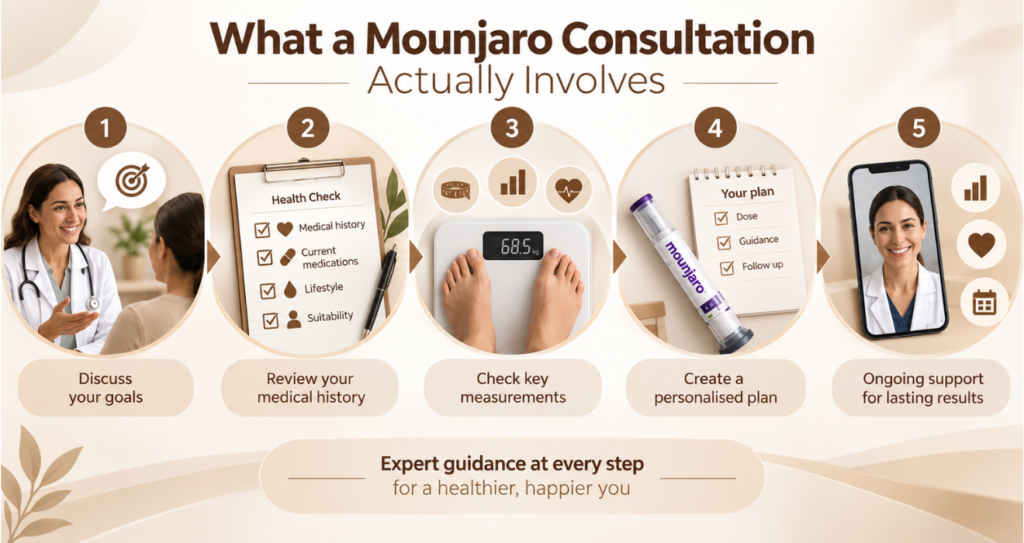
A thorough consultation is far more than a request for a prescription. It typically covers several distinct stages, each designed to protect your safety and improve your outcomes.
1. A detailed medical history
Your clinician will ask about the duration and course of any diabetes or weight-related conditions, previous treatments and weight-loss attempts, cardiovascular and kidney health, reproductive history, and lifestyle factors such as sleep, stress and eating patterns. Specific questions probe for warning signs – episodes of severe upper abdominal pain, gallbladder problems, thyroid nodules or previous reactions to injectable medicines.
2. Review of current medicines and supplements
Because tirzepatide interacts with several drugs, you will be asked about everything you take – including insulin, sulfonylureas, oral contraceptives, blood thinners, and even herbal or Ayurvedic supplements that affect blood sugar.
3. Measurements and relevant tests
Expect measurement of weight, height, BMI, waist circumference and blood pressure. Clinics often request recent blood work, including HbA1c, fasting glucose, a lipid profile, kidney function and liver enzymes.
4. Shared decision-making
Your clinician should explain the expected benefits, the known and theoretical risks, and the alternatives – then reach a decision with you rather than for you.
Who May Be Medically Eligible?
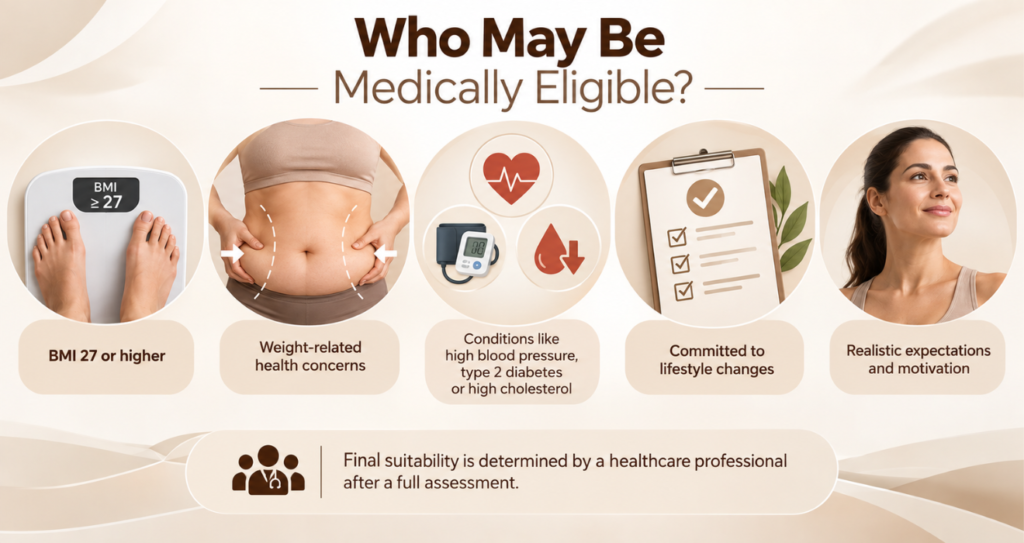
Eligibility for Mounjaro in India is anchored in guidelines that recognise a crucial point: South Asians tend to develop metabolic complications at lower body weights than Western populations. As a result, Indian expert bodies such as the Research Society for the Study of Diabetes in India (RSSDI) use lower BMI thresholds than those seen in the United States or Europe.
Broadly, a clinician may consider pharmacotherapy such as tirzepatide for adults with a BMI of 27.5 kg/m² or above, or a BMI of 25 kg/m² or above where weight-related conditions are present – for example prediabetes, non-alcoholic fatty liver disease, high blood pressure, dyslipidaemia or obstructive sleep apnoea. For type 2 diabetes, eligibility often applies where HbA1c remains above target despite lifestyle changes and first-line therapy such as metformin.
The table below illustrates how Indian and Western thresholds differ.
| Guideline framework | Overweight BMI (kg/m²) | Obesity BMI (kg/m²) | Typical pharmacotherapy threshold |
|---|---|---|---|
| Indian (RSSDI / ICMR) | 23-24.9 | ≥25 | ≥27.5, or ≥25 with comorbidities |
| US / EU obesity medicines | 25-29.9 | ≥30 | ≥30, or ≥27 with comorbidities |
Central obesity matters too. A waist circumference above 90 cm in men or above 80 cm in women is considered high risk in South Asians, so many people qualify for assessment at BMI levels that appear only mildly overweight by Western standards. You can read more about how these figures translate in our overview of realistic Mounjaro results and timelines in India.
When Mounjaro May Not Be Appropriate
Just as important as who qualifies is who should not use this medicine. Regulatory documents from the US FDA and other authorities set out clear contraindications and cautions.
Mounjaro is contraindicated in people with a personal or family history of medullary thyroid carcinoma (MTC) or multiple endocrine neoplasia syndrome type 2 (MEN 2), reflecting a boxed warning based on animal studies. It is also contraindicated in pregnancy, and women who could become pregnant are advised to use effective contraception during treatment and for at least one month after the last dose because the medicine has a long half-life.
Additional caution applies to those with a history of pancreatitis, severe gallbladder disease, significant kidney impairment or known hypersensitivity to tirzepatide. It is not indicated for type 1 diabetes and is not a substitute for insulin. This is exactly why self-medicating, or buying the drug from unregulated online or social-media sellers, is genuinely dangerous – a proper consultation exists to catch these risks before they cause harm.
What Happens Before Your First Dose

Once you and your clinician agree that Mounjaro is appropriate, several practical steps come before the first injection.
- Baseline tests – including kidney and liver function, glucose control and, where relevant, a pregnancy test.
- Medication adjustments – if you take insulin or a sulfonylurea, your clinician may reduce these doses proactively to lower the risk of hypoglycaemia.
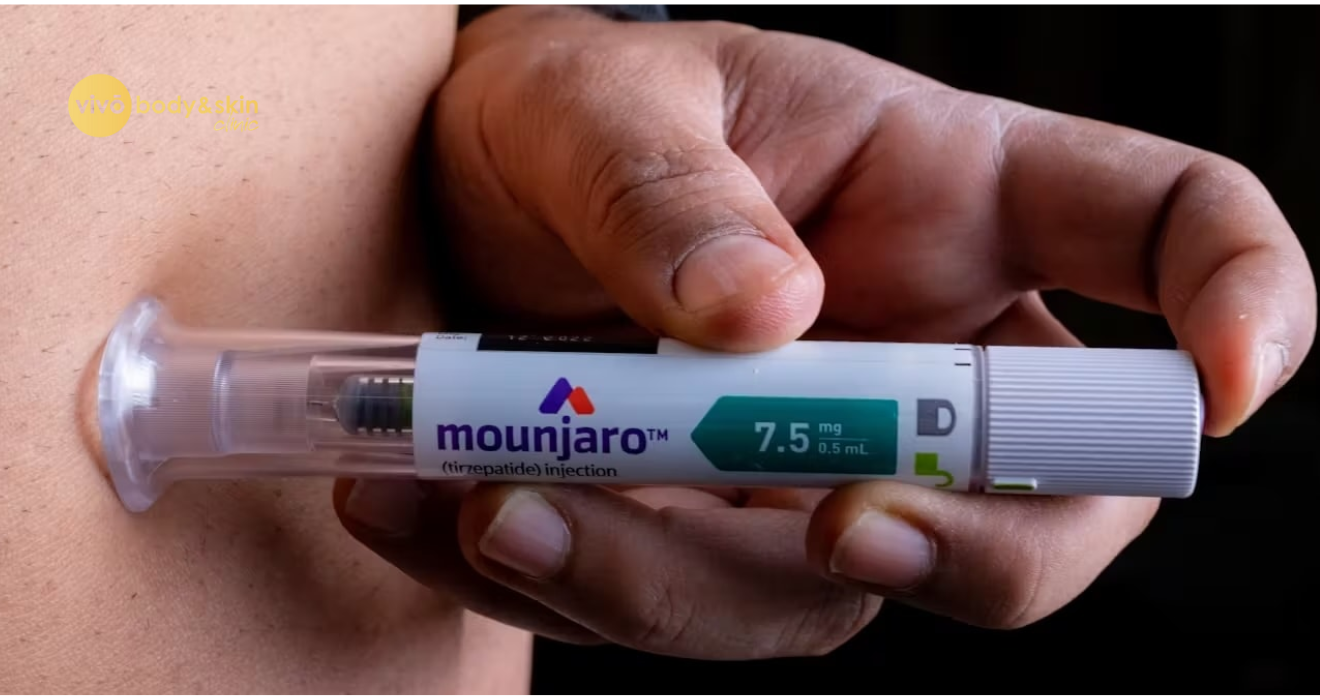
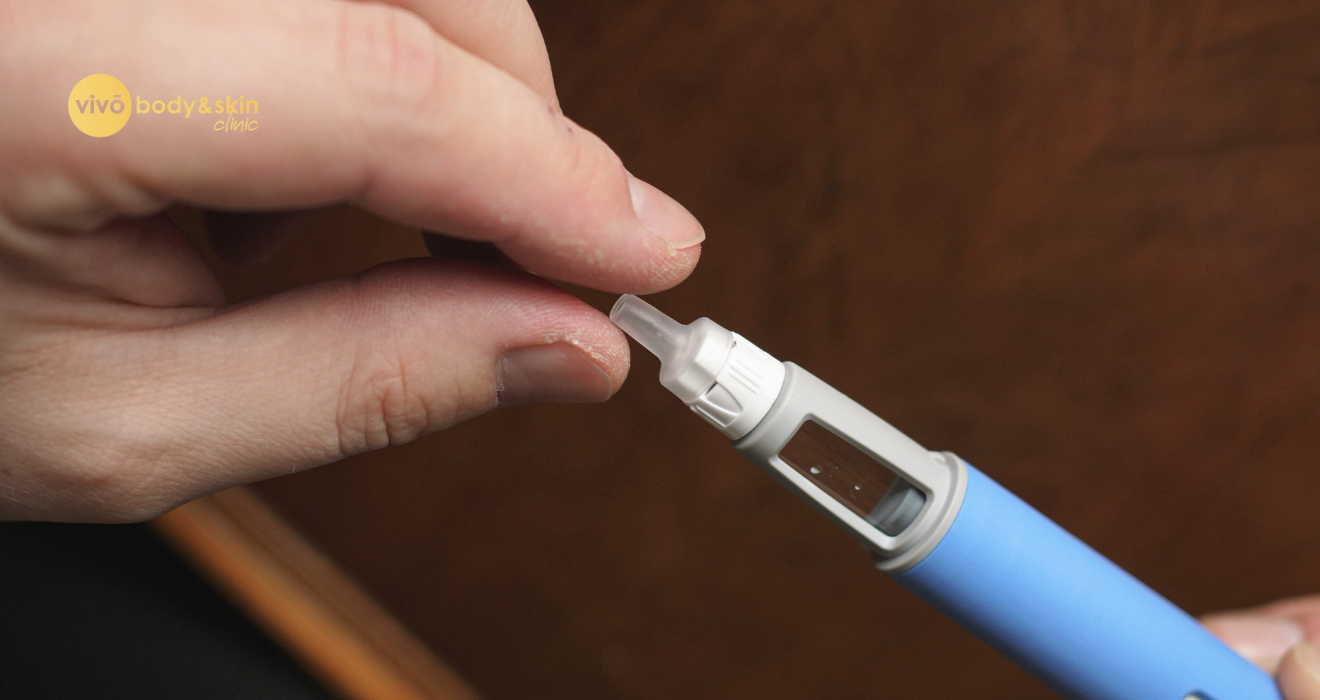
- Injection training – a nurse or educator demonstrates how to use the pen or vial, how to rotate injection sites and how to store the medicine correctly (usually refrigerated, never frozen).
- Lifestyle planning – a dietitian may tailor advice to Indian eating patterns, emphasising whole grains, vegetables and lean protein while reducing refined carbohydrates and fried foods.
- Informed consent – many Mumbai clinics use structured consent documents covering benefits, risks, alternatives and your responsibilities during treatment.
Dose Selection and Why It Must Be Clinician-Led
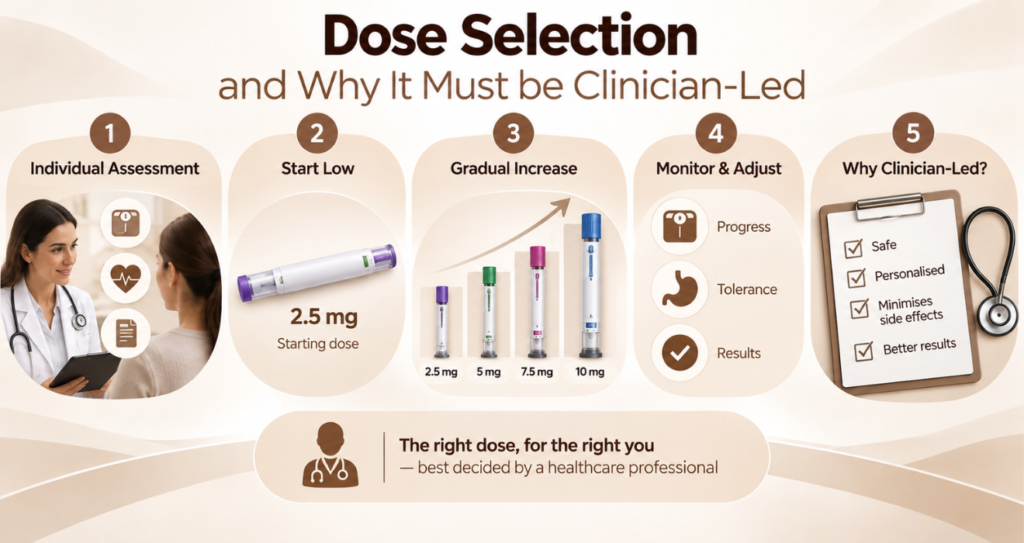
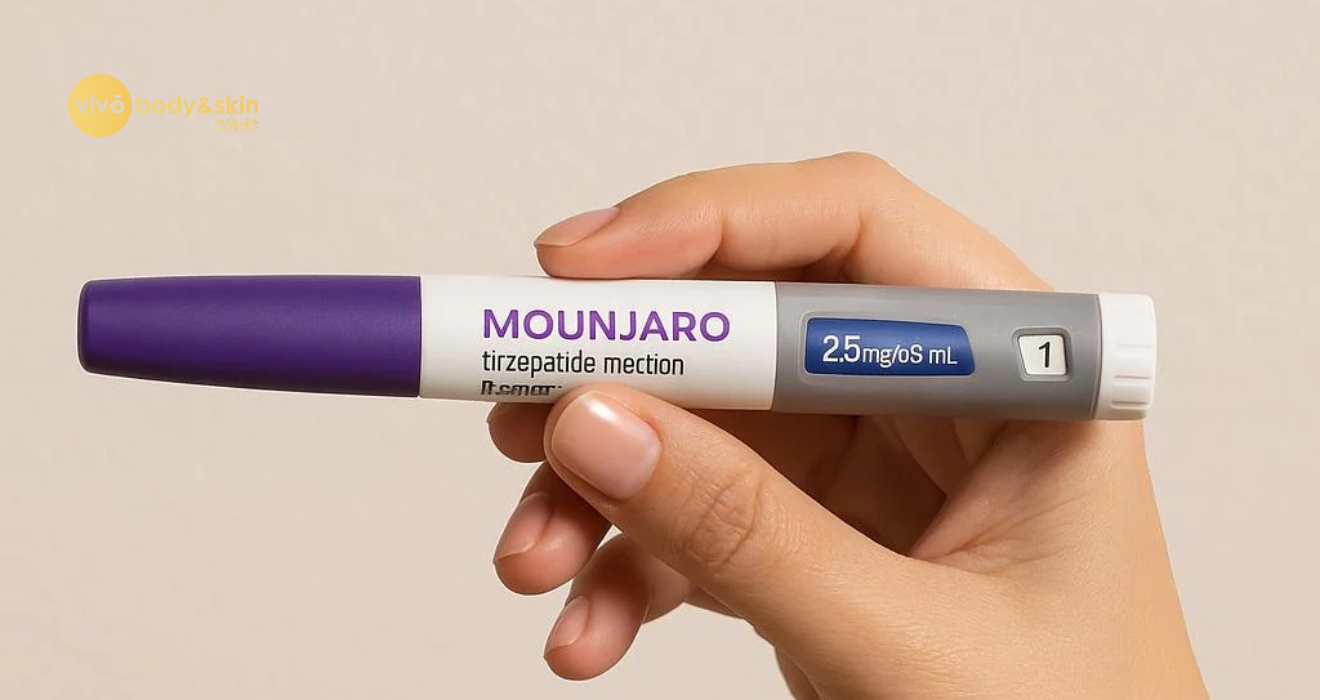
Tirzepatide is not a fixed-dose medicine. Treatment almost always begins at 2.5 mg once weekly, then increases gradually – typically by 2.5 mg every four weeks – towards a target of 5, 10 or 15 mg depending on your response, tolerance and goals.
This slow titration exists for a reason: gastrointestinal side effects are most common when starting and after each dose increase. Escalation is not obligatory, and some people achieve sufficient benefit at lower doses and prefer to stay there, particularly given that higher doses cost more.
Because dosing depends on your individual metabolism, other medicines and side-effect experience, it should never be self-directed or copied from someone else. A clinician-led plan protects both your safety and your results.
Monitoring and Follow-Up
Mounjaro is a long-term therapy, so ongoing review is essential. During dose escalation, follow-up visits are typically scheduled every four to eight weeks, with phone or digital check-ins to address side effects between appointments.
Blood tests such as HbA1c, fasting glucose, kidney function and liver enzymes are repeated periodically – particularly if you experience gastrointestinal symptoms that could lead to dehydration. If you also take insulin or a sulfonylurea, expect closer glucose monitoring in the early weeks. Women using oral contraceptives are advised that Mounjaro may reduce their effectiveness, especially when starting or increasing the dose, and may need an additional or alternative method.
Mounjaro is best understood as part of a long-term metabolic care plan – closer in principle to a blood-pressure or cholesterol medicine than to a short slimming course.
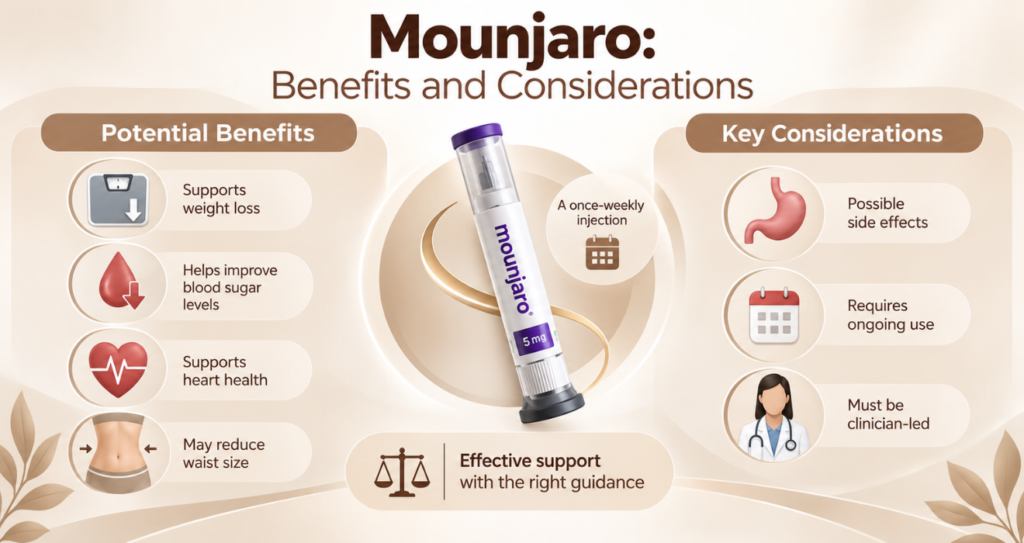
Mounjaro: Benefits and Considerations to Discuss
Common Side Effects and Safety Considerations
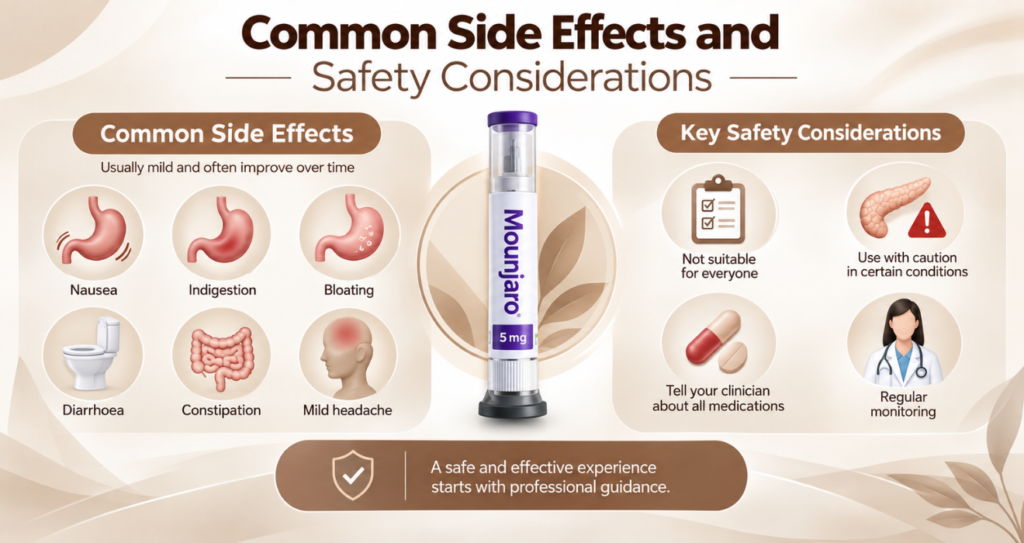
The most frequently reported side effects are gastrointestinal – nausea, diarrhoea, constipation, reduced appetite and abdominal discomfort. These are usually mild to moderate and tend to ease over time, and they can often be reduced by eating smaller meals, staying well hydrated, avoiding very rich or greasy food, and increasing the dose slowly.
Some safety issues, though uncommon, are more serious and warrant awareness:
- Acute pancreatitis – report any persistent, severe upper abdominal pain, which may radiate to the back, immediately.
- Acute kidney injury – usually linked to dehydration from prolonged vomiting or diarrhoea, so maintaining fluids matters.
- Allergic reactions – rare, but seek urgent care for swelling, rash or difficulty breathing.
- Anaesthesia and surgery – because the medicine slows stomach emptying, always tell your anaesthetist and surgeon that you use Mounjaro before any procedure requiring sedation.
The NHS and other public health bodies emphasise that GLP-1-based medicines must not be used during pregnancy, while trying to conceive, or during breastfeeding.
Setting Realistic Weight-Loss Expectations
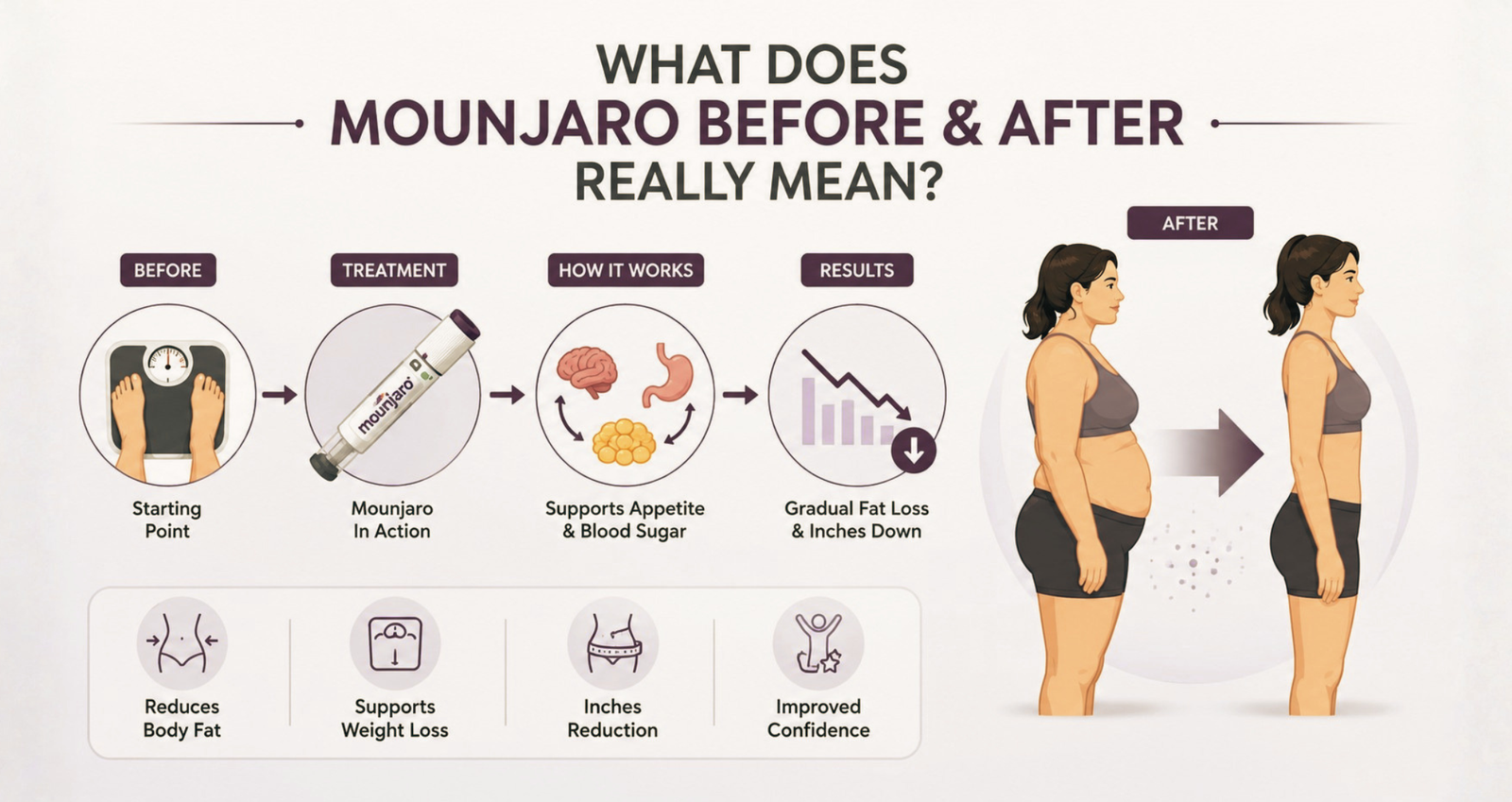
It is important to distinguish medical eligibility from cosmetic expectation. Trial results are impressive but come from carefully selected populations under close supervision, and individual outcomes vary. No responsible clinician can guarantee a specific weight loss.
Crucially, tirzepatide works best alongside genuine lifestyle change. Trial evidence shows the medicine dramatically amplifies weight loss achieved through diet, activity and behavioural support – it does not replace them. When treatment stops, appetite gradually returns and weight regain is common unless healthier habits are firmly established. Our guides on keeping results after stopping Mounjaro and maintaining weight loss in India explore this in detail.
Significant weight loss can also leave loose or lax skin, which medicine alone cannot address. Many people explore non-surgical options afterwards, such as body contouring after Mounjaro and skin-tightening treatments for loose skin, to refine their results.
Treatment Cost in Mumbai
Mounjaro sits towards the upper end of the cost spectrum for weight-management medicines in India, and pricing is dose-dependent – costs typically rise as the dose increases. Because it remains under patent, no generic version is currently available, so out-of-pocket expenses tend to be ongoing. Most standard health insurance policies in India also exclude obesity pharmacotherapy.
For an accurate, current breakdown, see our dedicated guide to Mounjaro weight-loss costs in India. During your consultation, budgeting is discussed openly, because affordability affects long-term adherence – and inconsistent use undermines results. If you are considering treatment for a specific event, our article on Mounjaro for pre-wedding weight loss covers safe use and realistic timelines.
Why Choose Vivo Body & Skin Clinic

At Vivo Body & Skin Clinic in Mumbai, our focus is on responsible, results-led care. We offer a range of affordable, non-invasive treatments, and our experienced team uses pioneering aesthetic technology to deliver genuinely high-quality outcomes.
Our particular strength lies in supporting the wider weight-loss journey – helping you consolidate progress with body contouring, skin tightening and other non-surgical treatments once significant weight has come off. Whether your priority is refining your abdomen, arms or overall body shape after weight loss, we take a considered, individualised approach.
If you would like clear, honest guidance on your options, book a consultation with our team. We will listen to your goals, explain what is realistic, and help you plan the safest, most effective path forward.
Do I need a referral for a Mounjaro consultation in Mumbai?
Not always – some people self-refer after reading about the medicine. However, legitimate access requires assessment by a qualified clinician familiar with these therapies and Indian guidelines, and a prescription. Mounjaro is a Schedule H medicine, so it cannot be bought without one.
Can I use Mounjaro just for cosmetic weight loss?
Mounjaro is a prescription medicine for type 2 diabetes and chronic weight management, not a cosmetic slimming agent. Clinicians generally do not prescribe it for people with mild overweight and no cardiometabolic risk, because the risk-benefit balance is unfavourable. For appearance-focused goals, non-invasive body contouring may be more appropriate.
How long will I need to stay on Mounjaro?
Obesity and type 2 diabetes are chronic conditions, so treatment is generally long-term when it is effective and well tolerated. Discontinuation often leads to partial weight regain, so any decision to stop or reduce the dose should be planned with your clinician alongside strengthened lifestyle habits.
What happens if I stop taking Mounjaro?
Appetite gradually returns, and weight regain is common – though not necessarily back to baseline if healthier habits persist. Blood sugar may also drift upwards. If you need to stop, your clinician can help you intensify lifestyle measures and optimise other medicines to protect your progress.
Is it safe to buy Mounjaro from online or social-media sellers?
No. Indian regulators warn against unapproved imports and unregulated sellers because of the risk of counterfeit products and the dangers of unsupervised use. Proper evaluation, dosing and monitoring by a qualified clinician are essential for safe treatment.
Will Mounjaro affect my other medications?
It can. Because it slows stomach emptying, it may alter the absorption of some oral medicines and reduce the effectiveness of oral contraceptives, particularly when starting or increasing the dose. It also raises hypoglycaemia risk when combined with insulin or sulfonylureas. Always give your clinician a full list of your medicines and supplements.
Can I drink alcohol while using Mounjaro?
There are no known direct interactions, but moderation is advised. Alcohol independently affects blood sugar and liver health, can worsen hypoglycaemia risk when combined with other diabetes medicines, and may aggravate gastrointestinal side effects.
Will I have loose skin after losing weight on Mounjaro?
Significant weight loss can leave loose or lax skin, which medicine alone cannot address. Many people explore non-surgical skin-tightening and body-contouring treatments afterwards to refine their results – something our team at Vivo can advise on in detail.
Is there a cheaper alternative to Mounjaro?
Tirzepatide is still under patent in India, so no generic version is available. Where cost is prohibitive, a clinician may discuss other GLP-1 medicines that can be more affordable, weighing efficacy against your budget and long-term adherence.
What should I bring to my first consultation?
Bring recent blood test results if you have them, a full list of your current medicines and supplements, and details of any previous weight-loss efforts or treatments. Being open about your medical history helps your clinician assess eligibility and safety accurately.