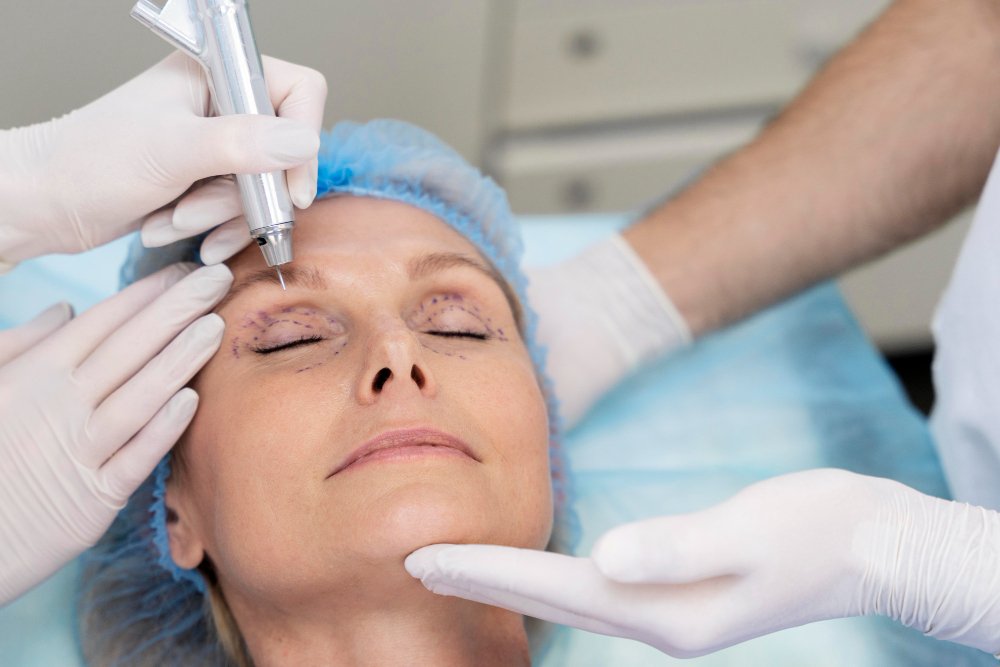
The pursuit of a youthful, well-rested appearance has led countless individuals to explore alternatives to invasive surgical procedures. Among the most innovative options available today is the plasma eye lift, also known as plasma fibroblast therapy. This non-surgical treatment harnesses ionized gas to create controlled micro-injuries on the skin, triggering an immediate tightening effect and stimulating long-term collagen production. The result is a noticeable lift, reduced hooding, and smoother texture around the eyes without the need for scalpels or sutures.
However, the journey to these remarkable results is not instantaneous. The success of a plasma eye lift depends heavily on how well the patient manages the healing process. Understanding the plasma eye lift recovery timeline is essential for setting realistic expectations and ensuring that the skin heals optimally. From the moment you leave the treatment chair to the final emergence of collagen-rich tissue, each phase of recovery plays a critical role in determining the outcome. This comprehensive guide walks you through the healing process day by day, offering expert insights into what you can expect and how to care for your skin at every stage.
What is a Plasma Eye Lift? A Brief Overview
Before delving into the intricacies of the plasma eye lift recovery timeline, it is important to understand the procedure itself. A plasma eye lift is a non-invasive cosmetic treatment designed to address sagging skin, fine lines, and hooded eyelids. Using a handheld device, a trained practitioner discharges plasma energy in precise dots above the skin’s surface. This energy creates a controlled sublimation of the tissue, which causes an immediate contraction of the skin fibers.
Beyond this immediate tightening, the procedure initiates a natural wound-healing cascade. Over the following weeks and months, the body produces fresh collagen and elastin—the structural proteins responsible for skin firmness and elasticity. Unlike surgical blepharoplasty, there are no incisions, general anesthesia, or lengthy hospital stays. For those seeking significant rejuvenation with a manageable downtime, the plasma eye lift offers a compelling middle ground between topical treatments and surgery.
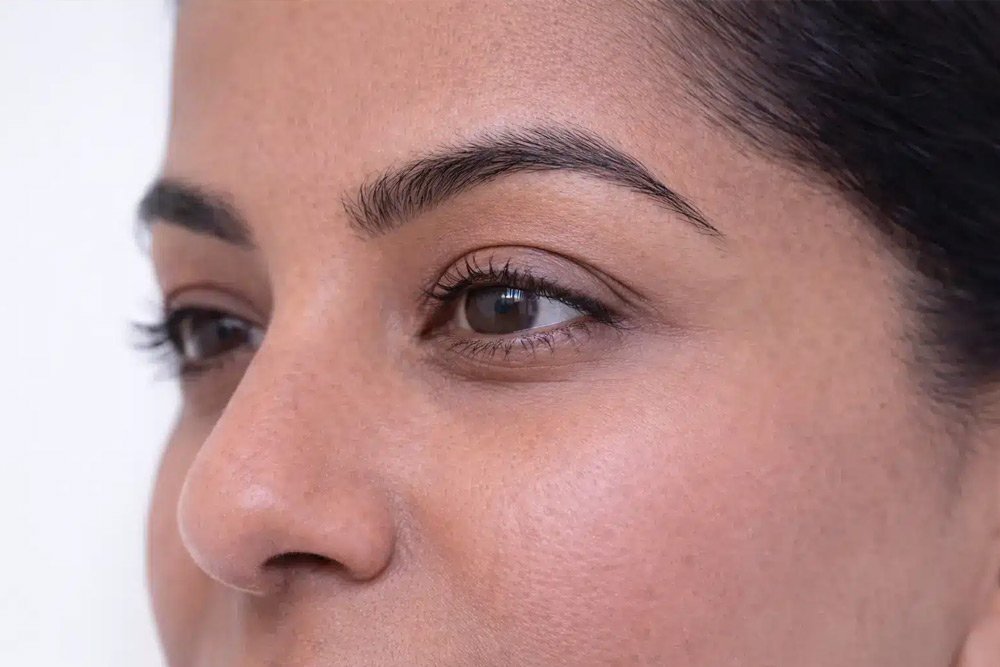
Plasma Eye Lift Treatment India
Click below to learn more for pricing, and book appointment online.
Why Following a Structured Recovery Timeline Matters
Adhering to a structured plasma eye lift recovery timeline is about more than simply waiting for the skin to heal. It is an active process that directly influences the quality of your final results. The carbon crusts that form immediately after treatment serve as natural bandages, protecting the underlying new skin as it regenerates. Prematurely disturbing these crusts—whether through picking, rubbing, or excessive moisture—can lead to complications such as scarring, hyperpigmentation, or uneven texture.
Furthermore, the collagen remodeling phase, which continues for up to twelve weeks, requires a supportive environment. Proper aftercare, including sun protection, hydration, and gentle cleansing, ensures that the newly formed collagen lays down in an organized manner, maximizing the tightening effect. Patients who respect the recovery timeline often enjoy results that last three years or longer, while those who rush the process may compromise their outcome. In short, how you heal determines how you look.
Plasma Eye Lift Recovery Timeline: The Day-by-Day Breakdown
This section provides a detailed chronological account of the healing journey. While individual experiences may vary slightly based on factors such as age, skin type, and the extent of treatment, the following timeline reflects the standard healing pattern observed by experienced practitioners.
Day 0: The Day of Treatment
The procedure itself took about 45 minutes for my upper and lower lids. After numbing cream, I felt a slight tingling and a smell like burning hair—weird but tolerable. Immediately after, my eyelids felt sunburned and looked red. Tiny dark crusts (the carbon dots) appeared exactly where the plasma had touched.
My practitioner sent me home with a cold pack, a tube of sterile ointment, and strict instructions: keep the area dry for 24 hours, sleep with my head elevated, and don’t touch anything.
Days 1–3: The Swelling Peak
By the morning of day one, my eyelids were noticeably puffy. By day two, the swelling was at its worst—my upper lids looked heavy, and I had a hard time opening my eyes fully after waking up. My lower lids were also puffy, and the carbon crusts had darkened.
I spent most of these days on the couch with a cold compress (wrapped in a clean cloth) and binge‑watched shows. I avoided salt, alcohol, and any activity that could raise my blood pressure. Sleeping propped up on three pillows made a huge difference.
Days 4–7: Crusts Stay, Swelling Subsides
By day four, the puffiness had visibly gone down. The crusts were still there, and they started to feel tight and a little itchy—a sign that healing was happening underneath. This was the hardest part mentally, because I wanted to see what was under them, but I knew picking would ruin everything.
I continued with gentle cleansing using sterile saline and a thin layer of ointment. I was able to work from home by day five, but I avoided Zoom calls because the crusts were still obvious.
Days 8–10: Crusts Begin to Shed
Around day eight, I noticed the edges of the crusts lifting slightly while I applied ointment. Over the next few days, they slowly fell off on their own—some while washing, others just flaking away. Underneath, the skin was pink and smooth.
Critical rule: Never pick. Let the crusts fall naturally. I resisted the urge and was glad I did.
Days 10–14: The Pink Phase
Once all crusts were gone, the skin remained pink for about another week. This is the neodermis—fresh, delicate, and highly vulnerable to sun damage. I wore a mineral sunscreen (zinc oxide) every single day, even indoors, and avoided direct sun completely.
By day 14, the pinkness had faded enough that I could go out without anyone noticing. I started wearing makeup again, using clean brushes, and slowly reintroduced gentle skincare.
Weeks 3–4: First Signs of Real Results
Around week three, I began to see what all the fuss was about. My upper eyelids looked more open, and the tired crepe‑iness under my eyes was smoother. The immediate tightening from the procedure had now been joined by new collagen, and the improvement was visible even to friends.
Months 1–3: Final Results Emerge
The most exciting part was that my eyelids continued to improve even after I thought healing was done. Collagen production ramps up during this period, and the lift became more defined. By month three, I had the final result—natural, not overdone, and exactly what I wanted.

Expert Tips for a Smooth Recovery
Navigating the plasma eye lift recovery timeline successfully involves more than simply following a checklist. Incorporating certain lifestyle habits can significantly enhance the healing process and improve your final results. Hydration, for instance, plays a vital role. Drinking plenty of water supports cellular function and helps the skin remain pliable during the crusting phase. Nutrition also matters; a diet rich in Vitamin C, found in citrus fruits and bell peppers, and zinc, present in nuts and seeds, provides the building blocks necessary for collagen synthesis.
Equally important is the management of blood flow and inflammation during the early days. Avoiding alcohol, caffeine, and blood-thinning supplements such as fish oil, Vitamin E, and aspirin for at least the first week can minimize bruising and excessive swelling. Sleeping on your back with your head elevated is not merely a comfort measure—it is a clinical necessity that prevents gravitational fluid accumulation around the eyes. Finally, perhaps the most critical piece of advice is to practice patience. The final results of a plasma eye lift are not visible at the two-week mark; they unfold over three months, and trusting the process is key to satisfaction.
Risks and How to Minimize Them
While a plasma eye lift is considered safe when performed by a qualified professional, being aware of potential risks allows you to take proactive steps to avoid them. Hyperpigmentation is the most common concern, particularly for individuals with darker skin tones. Strict sun avoidance and the consistent use of mineral sunscreen throughout the plasma eye lift recovery timeline are the most effective preventive measures. Hypopigmentation, or the appearance of white spots, is rarer and typically associated with overly aggressive treatment or premature removal of crusts.
Infection, though uncommon, can occur if the area is touched with unclean hands or if aftercare instructions are not followed. Keeping the carbon crusts clean and avoiding submerging the face in water until they have shed significantly reduces this risk. Temporary ectropion, a slight downward pulling of the lower eyelid, is a rare complication that usually resolves as swelling subsides and the skin relaxes. The most preventable risk is scarring, which almost always results from picking at the carbon crusts. By allowing the crusts to fall off naturally, you protect the integrity of the new skin and ensure a smooth, even result.
Plasma Eye Lift vs. Surgical Blepharoplasty: Recovery Differences
Many patients choose a plasma eye lift because the recovery is less intensive than surgery. Understanding the difference helps set realistic expectations.
| Aspect | Plasma Eye Lift | Surgical Blepharoplasty |
| Incision | No incisions; carbon crusts form | Surgical incisions with sutures |
| Anesthesia | Topical numbing | Local or general anesthesia |
| Downtime | 7-10 days of visible crusting | 10-14 days of bruising and swelling |
| Swelling | Moderate, peaks at day 2-3 | Significant, can last weeks |
| Activity | Light activity in 3 days, full in 2 weeks | Strenuous activity restricted for 4-6 weeks |
| Results | Gradual over 3 months | More immediate, but with scars |
While the surgical route offers more dramatic results for excess skin removal, the plasma eye lift recovery timeline offers a compelling alternative for those seeking a less invasive procedure with a quicker return to social activities.
Talk to our Experts
Get personalized advice from our certified dermatologists and hair specialists. Book a consultation to discuss your specific needs and treatment options.
Plasma Eye Lift vs. Surgical Blepharoplasty: A Recovery Comparison
Many patients weigh the decision between a plasma eye lift and traditional surgical blepharoplasty. Understanding the differences in recovery can help clarify which option aligns with your lifestyle and expectations. A plasma eye lift requires no incisions, meaning there are no sutures to remove and no surgical scars to conceal. The downtime is primarily centered around the presence of carbon crusts, which typically shed within ten days. Swelling is moderate and peaks quickly, with most patients returning to social activities by the second week.
In contrast, surgical blepharoplasty involves incisions that must heal and sutures that require removal. The swelling and bruising are generally more significant and can persist for two weeks or longer. Strenuous activity is often restricted for four to six weeks, and the final results, while more dramatic in cases of significant excess skin, come with permanent scars that are hidden in the natural creases of the eyelids. For patients seeking a less invasive alternative with a faster return to daily life, the plasma eye lift recovery timeline offers a compelling advantage. However, for those with very heavy, excess skin that impairs vision, surgery may remain the more appropriate option.
Conclusion
Embarking on a plasma eye lift is a decision that combines the desire for aesthetic enhancement with the practicality of a non-surgical approach. The plasma eye lift recovery timeline may require patience, dedication, and a willingness to follow aftercare instructions meticulously, but the rewards are substantial. By understanding each phase of healing—from the initial swelling and carbon crust formation to the gradual emergence of collagen-rich, tightened skin—you can approach your recovery with confidence and clarity.
The journey to refreshed, youthful eyes does not end when the crusts fall away. It continues as your body works beneath the surface to build the structural support that will sustain your results for years. With proper care, sun protection, and a commitment to the healing process, you can achieve the natural, revitalized appearance that makes this treatment so sought after.
Ready to take the next step toward rejuvenated, youthful eyes?
If you are considering a plasma eye lift and want to ensure a safe, effective treatment with a seamless recovery, the first step is choosing an experienced, qualified provider. Contact our clinic today to schedule a personalized consultation. Our experts will assess your unique needs, discuss your expected plasma eye lift recovery timeline, and help you achieve the radiant, natural-looking results you deserve. Your journey to brighter, tighter eyes begins with a single conversation.
Frequently Asked Questions
Swelling typically peaks within the first 48 to 72 hours and begins to subside significantly by day four or five. Minor residual swelling may persist for up to two weeks, though it is usually only noticeable to the patient by the end of the first week.
You should wait until all carbon crusts have fallen off and the new skin is fully intact, which is usually around day ten to fourteen. When you do resume makeup, use new or thoroughly cleaned applicators to prevent introducing bacteria to the healing area.
Most patients report minimal pain. The primary sensations are heat during the procedure and tightness and itching during the healing phase. Any discomfort is generally well-managed with over-the-counter pain relievers like acetaminophen.
You can shower, but you must avoid getting the treated area wet for the first 24 to 48 hours. After that, you may allow water to run gently over the area, but avoid directing the shower spray at your face and refrain from steam or hot water for the first week.
You can shower, but you must avoid getting the treated area wet for the first 24 to 48 hours. After that, you may allow water to run gently over the area, but avoid directing the shower spray at your face and refrain from steam or hot water for the first week.
Strenuous exercise should be avoided for at least seven to ten days. Physical activity increases blood flow and blood pressure, which can exacerbate swelling and potentially dislodge the carbon crusts prematurely. Light walking is acceptable after day three.
Picking the crusts can lead to permanent scarring, textural irregularities, and hypopigmentation, which appears as white spots. Allowing them to fall off naturally is essential for achieving optimal results.
While immediate tightening is visible after treatment and progressive improvement occurs as swelling subsides, the final results become fully apparent between eight and twelve weeks post-treatment, once collagen remodeling is complete.
It is recommended to sleep on your back with your head elevated for at least the first five to seven days. Sleeping on your side can cause fluid to pool unevenly, leading to asymmetrical swelling and potentially affecting the healing process.
Itching is a normal sign of healing. You can manage it by applying a cold compress and keeping the skin moisturized with the prescribed ointment. It is important not to scratch or rub the area, as this can disturb the carbon crusts.
Yes. The new skin is highly vulnerable to ultraviolet damage, and hyperpigmentation is a significant risk. You must avoid direct sun exposure and wear a high-SPF mineral sunscreen daily for at least three months following the procedure.
It is uncommon for eyes to be completely swollen shut, but swelling can be significant enough to make opening them feel heavy or difficult, particularly in the morning. If you experience severe pain or any changes in vision, you should contact your practitioner immediately.
No. Never apply ice directly to the skin. Always wrap ice packs or frozen compresses in a clean, soft cloth to protect the delicate skin and the carbon crusts from trauma.
You should avoid retinols, vitamin C serums, and exfoliating acids for at least four weeks post-treatment, or until your practitioner confirms that the skin has fully regenerated.
Results typically last between two and four years. Longevity depends on factors such as age, skin quality, lifestyle habits including sun exposure and smoking, and the body’s natural aging process. Maintenance treatments can help prolong the effect.
If you notice increasing redness, swelling beyond the treated area, itching, or a rash, discontinue the ointment and contact your practitioner immediately. They may recommend a hypoallergenic alternative.